
Millions of Indian pet parents live hours away from a reliable veterinary clinic — or struggle to get same-day appointments even in cities like Pune, Kolkata, or Coimbatore. Tier-2 and Tier-3 towns often have just one or two practitioners covering thousands of animals, and emergency care after 8 PM remains genuinely difficult to access across most of the country. That gap between “my pet seems off” and “I can actually see a vet” is where a lot of preventable suffering happens — and where a well-informed pet parent makes all the difference.
This guide is not about replacing veterinary care. It is about building the knowledge and routines that let you catch problems early, manage minor issues confidently, and make the most of every clinic visit you do get.
Building a Weekly Home Health Check Routine
A five-minute weekly check costs nothing and catches a surprising number of issues before they escalate. Do it on the same day every week so it becomes habit — Sunday mornings work well for most families.
What to check on your dog
- Eyes: Clear, bright, no discharge or cloudiness. Persistent green or yellow discharge warrants a vet call.
- Ears: Light pink inside, no strong odour, no dark brown waxy build-up. Indian summers and monsoons make dogs highly prone to yeast ear infections — check weekly without fail.
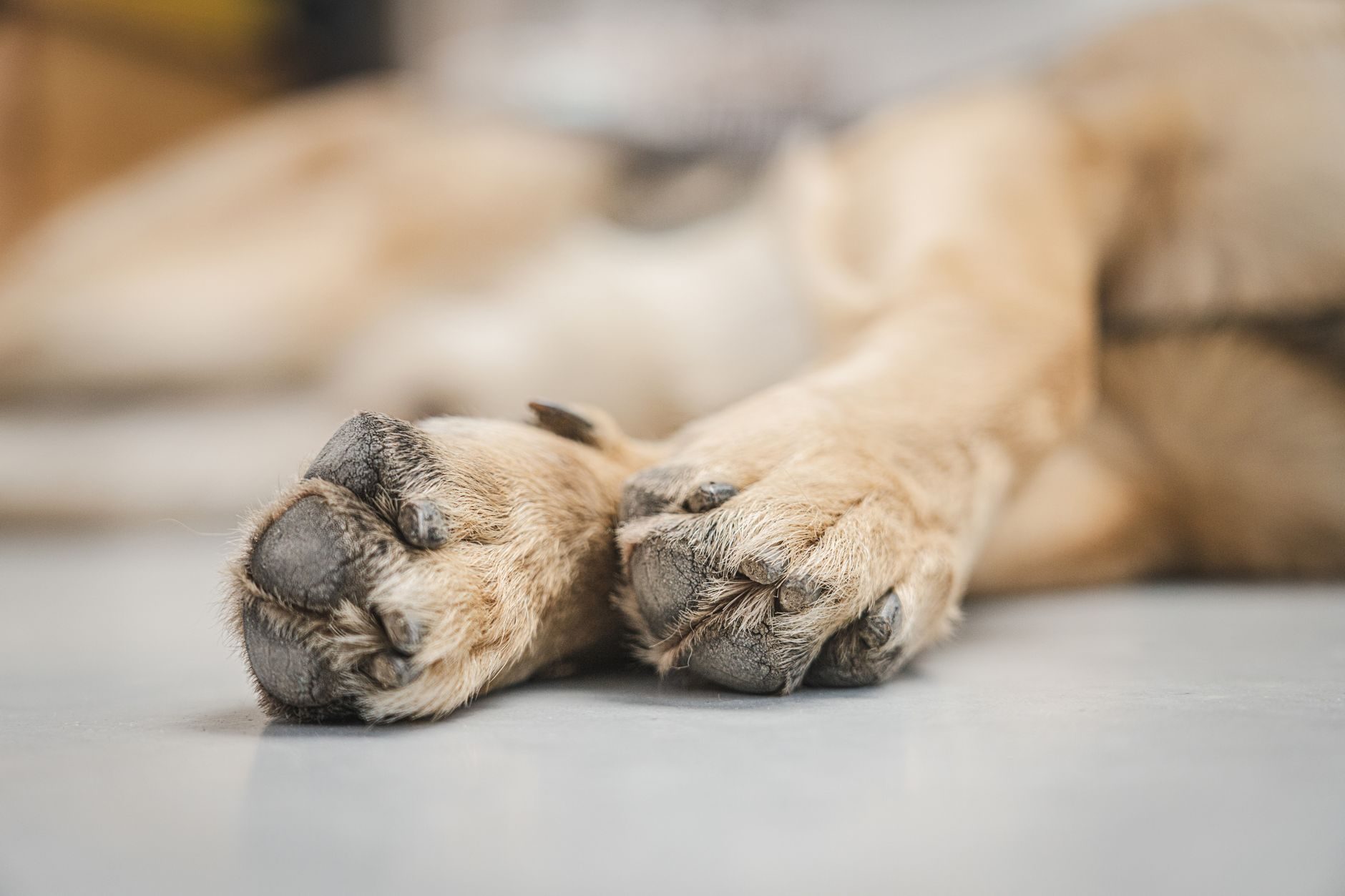
- Paw pads: Cracked or bleeding pads are common in cities with hot asphalt. Healthy pads are firm and smooth with no raw patches.
- Coat and skin: Part the fur at the neck, armpits, and groin and look for fleas, ticks, or redness. Tick loads can spike dramatically from March to June across most Indian plains.
- Body weight: Run your hands along your dog’s ribcage. You should feel ribs easily but not see them. If you have to press hard to feel them, your dog is likely overweight.
- Gums: Pale, white, yellow, or blue-tinged gums are a medical emergency. Healthy gums are salmon-pink and moist.
What to check on your cat
- Third eyelid: If you can see the pale membrane creeping in from the inner corner of your cat’s eye, it often signals stress, illness, or parasites.
- Litter box output: Track frequency. A cat straining to urinate, especially a male, needs a vet within hours — urinary blockage is life-threatening.
- Weight: Cats mask illness brilliantly. Weighing your cat monthly on a kitchen scale is one of the most useful things you can do. A loss of more than 10% body weight over a month is significant.
- Coat condition: Dull, dry, or flaky coats often reflect either nutritional gaps or an underlying health issue. A cat that stops grooming its back half may be in pain.
- Mouth: Brown tartar build-up and red gum lines are common in Indian cats on high-dry-food diets. Bad breath that smells like ammonia can signal kidney trouble.
Nutrition as Preventive Medicine: Getting Feeding Right at Home
Indian pet parents frequently underestimate how directly what goes in the bowl affects what shows up in the health check. Poor nutrition does not just cause slow weight gain — it suppresses immunity, degrades coat quality, worsens joint health, and accelerates dental disease.
Feeding quantities that actually apply to Indian pets
Most packaging guidelines are calibrated for pets in cooler climates with higher activity levels. Indian indoor pets — particularly apartment dogs and cats in cities — are often less active and require 10–15% fewer calories than the pack suggests, especially during the hot months of April through June when they move very little.
A rough baseline for adult dogs on a complete dry food:
- Small breeds (under 10 kg): 100–180 g per day, split across two meals
- Medium breeds (10–25 kg): 180–320 g per day, split across two meals
- Large breeds (above 25 kg): 320–500 g per day, split across two meals
These are starting points only. Always adjust based on your dog’s body condition score, activity level, and life stage. Dogs on SmartHeart Gold, which is formulated with higher-quality protein and targeted nutrient profiles, often require slightly smaller portions to meet daily energy needs compared to economy-range foods — which means it can be more cost-efficient than it looks on the shelf.
For adult cats, the general guideline is 60–80 kcal per kilogram of ideal body weight per day. A 4 kg adult indoor cat needs roughly 240–320 kcal daily. Check the caloric density on your brand’s pack and divide accordingly. Cats do better with two or three small meals rather than free-feeding, which tends to cause weight gain in Indian indoor cats particularly.
Water intake — an often-ignored priority
Indian cats are chronically under-hydrated, partly because they evolved as desert animals and have a low thirst drive, and partly because many Indian households feed predominantly dry food. Chronic low water intake is the single biggest driver of urinary tract disease in Indian cats. Place multiple shallow water bowls around the house, away from the food bowl. Running water from a pet fountain dramatically increases intake in most cats. Adding a small amount of warm water to dry kibble is another easy trick that works well.
Common Indian Pet Health Myths — Fact-Checked
Myth: “Desi dogs don’t need as much nutrition as foreign breeds”
Indian Pariah dogs (INDogs) and mixed-breed street-origin dogs are hardy, yes — but hardiness evolved in survival conditions, not thriving conditions. Once a dog is a companion animal living in a home, its nutritional requirements for a long, healthy, active life are the same as any other dog of comparable size. If anything, many adopted INDogs arrive malnourished and benefit from a nutrient-dense diet in their first year at home.
Myth: “Home-cooked food is always better than packaged food”
This is one of the most widespread and genuinely harmful myths in Indian pet parenting. Home-cooked diets for pets require careful formulation to meet all micronutrient needs — calcium-phosphorus balance alone is notoriously difficult to achieve without supplementation. Boiled chicken and rice, a classic Indian home remedy meal, is nutritionally incomplete as a long-term diet. A high-quality complete and balanced commercial food is not a compromise — it is often more reliable nutritionally than a home-cooked diet without expert input.
Myth: “Cats can drink cow’s milk — it’s natural”
Most adult cats are lactose intolerant. The digestive enzyme needed to break down lactose decreases sharply after weaning. Cow’s milk, buffalo milk, or tea with milk — all common in Indian households — frequently cause diarrhoea and digestive upset in adult cats. Clean fresh water is always the right choice.
Myth: “Pets don’t need deworming once they’re adults”
In India’s tropical and subtropical climate, gastrointestinal worm loads can reinfect quickly even in well-kept home pets, especially those who have any outdoor access or live in older buildings. Adult dogs and cats in India should be dewormed every three months. Roundworms and hookworms from pets are also transmissible to humans, making this a family health issue, not just a pet one.
Building Your “No-Vet-Available” Home Kit
Every Indian pet household should have a basic kit ready, because the moment you need it is never a convenient one.
- Digital weighing scale: Monthly weight tracking is invaluable. A kitchen scale works for cats and small dogs.
- Tick remover tool: Forceps or a proper tick-removal hook — not fingers, not petroleum jelly. Improper removal leaves mouthparts in the skin and increases infection risk.
- Saline solution: For flushing wounds and eyes. Sterile saline sachets are inexpensive at any pharmacy.
- Chlorhexidine solution (diluted): For cleaning minor skin abrasions. Do not use human antiseptics like Dettol or Savlon on pets — they can be toxic.
- Your vet’s WhatsApp number: Many Indian vets now offer quick photo/video consultations over WhatsApp for minor issues. Establish this relationship before you need it urgently.
- A printed list of emergency vets: Identify two or three clinics within a 30-km radius that offer extended hours. Research this when your pet is healthy, not at 11 PM on a Saturday.
When to Go to the Vet Immediately — Non-Negotiable Red Flags
No home kit and no amount of nutritional knowledge replaces emergency veterinary intervention when these signs appear:
- Any difficulty breathing or open-mouth breathing in a cat
- Repeated vomiting (more than three times in a few hours) or vomiting blood
- A cat that has not urinated in 12 hours, especially a male cat
- A dog that is retching without producing vomit and has a distended abdomen (possible bloat — can be fatal within hours)
- Collapse, extreme lethargy, or inability to stand
- Seizures
- Pale, white, or blue-tinged gums
- Any suspected ingestion of a toxin — rat poison, onions, grapes, raisins, human medications
In these situations, call ahead to the clinic while travelling so they can prepare. Time matters significantly in each of these scenarios.
Making Every Vet Visit Count
When you do get access to a vet, preparation makes the appointment far more useful. Bring a written list of observations — what you noticed, when it started, any changes in appetite, water intake, or litter habits. If your pet has loose stools, bring a fresh sample in a clean zip-lock bag. Photos and short videos of unusual behaviour captured at home are enormously helpful to vets who may only see your pet for ten minutes.
Annual wellness exams — ideally with a blood panel after age seven for both cats and dogs — are the single highest-return investment in Indian pet healthcare. Kidney disease, thyroid issues, and diabetes are all vastly easier and cheaper to manage when caught early. Use the visit to also confirm that your vaccination and deworming schedule is up to date and appropriate for your local region.
For cats who find clinic visits highly stressful, withhold food for four hours before the appointment (this reduces nausea in the carrier) and place a worn t-shirt in the carrier the night before — familiar scent reduces anxiety measurably. Me-O dry food fed from your hand during carrier training sessions in the days before the visit also helps cats form positive associations with travel.
Frequently Asked Questions
How do I know if my dog’s weight is healthy without a vet visit?
Use the body condition score method at home. Place both hands flat on your dog’s ribcage and press gently. You should feel individual ribs without pressing hard, but they should not be visibly prominent. Look at your dog from above — there should be a visible waist behind the rib cage. From the side, the abdomen should tuck up slightly. If you cannot feel ribs without firm pressure, or if the waist has disappeared, your dog is likely overweight. Reducing daily portions by 10–15% and increasing activity is a reasonable starting point, but confirm with your vet at the next visit.
My cat has been eating less for two days. Should I wait and see?
In cats, this depends heavily on the degree. A slight reduction during very hot weather can be normal. But a cat that refuses food entirely for more than 48 hours — even if it is otherwise acting normally — risks a serious condition called hepatic lipidosis (fatty liver disease), which develops quickly in cats that stop eating. If your cat has eaten nothing for two days, contact a vet even if that means a video or phone consultation. Do not wait for an in-person appointment.
Is it safe to buy pet food from local kirana stores or unverified online sellers?
Stick to authorised pet stores, reputable e-commerce platforms with verified sellers, or direct brand websites. Counterfeit and expired pet food is a genuine problem in parts of India. Always check the manufacturing date, batch number, and the integrity of the seal before feeding. Established brands like SmartHeart carry clear labelling and are available through verified retail channels — buying from grey-market sources creates risk regardless of the brand on the bag.
The Bottom Line
The gap in veterinary access across India is real, but it does not leave pet parents powerless. Weekly home checks, accurate feeding, parasite prevention, a stocked home kit, and the knowledge of when to act urgently — these are the practical tools that keep pets healthier between clinic visits and make those visits more productive when they happen. Your attentiveness as a pet parent, combined with good nutrition and a trusted vet relationship, is the most effective healthcare system available to your pet in India today.
Explore PCIN’s range of nutritionally complete pet foods, from SmartHeart Gold for dogs to Me-O for cats, to find options that support your pet’s health every day — not just at the vet’s clinic.
Disclaimer: This article is intended for general informational purposes only and does not constitute veterinary medical advice. Always consult a qualified veterinarian for diagnosis, treatment, or any specific health concerns relating to your pet.