The day you bring a puppy home, everything feels urgent — the whimpering at night, the first accident on the floor, and especially that tiny face staring up at you at mealtimes. Among all the early decisions you make, what and how much you feed your puppy in the first twelve months will shape their bone strength, immune system, coat quality, and adult weight more than almost anything else. This guide cuts through the confusion and gives you a practical, month-by-month feeding roadmap built around the realities of raising a dog in India.
Why the First Year Is a Nutritional Critical Window
Puppies are not simply small adult dogs. In their first twelve months — and up to 18–24 months for large breeds — they are doubling and tripling in body weight, building an entirely new skeletal framework, developing their gut microbiome, and laying down the neural pathways that govern behaviour. The nutritional demands during this period are dramatically different from those of a mature dog.
Key differences between puppy and adult dog nutrition include:
- Higher protein requirements: Puppies need protein for muscle fibre development and organ growth, not just energy.
- Precise calcium-to-phosphorus ratio: Too much calcium, especially in large-breed puppies, is just as dangerous as too little — both can cause skeletal deformities.
- More calories per kilogram of body weight: A puppy may need up to twice the caloric density of an adult dog of the same breed.
- DHA for brain development: Docosahexaenoic acid, an omega-3 fatty acid, supports cognitive development and vision formation in the early months.
Feeding adult dog food to a puppy — a common mistake when budgets are tight — deprives them of several of these critical nutrients. Always look for food labelled “for puppies” or “all life stages.”
Month-by-Month Feeding Guide: 0 to 12 Months
0–4 Weeks: Mother’s Milk and Colostrum
If you have a litter at home, the single best thing you can do in the first four weeks is ensure every puppy has uninterrupted access to the mother. Colostrum — the thick, yellowish first milk produced in the 24–48 hours after birth — delivers maternal antibodies that form the backbone of a newborn puppy’s immune defence. No commercial formula fully replicates it.
If a puppy is orphaned or a runt is being pushed away from the mother, use a commercial puppy milk replacer (not cow’s milk, which causes diarrhoea in puppies) and feed every 2–3 hours using a small nursing bottle. A rough guide is 13–15 ml per 100 g of body weight per day, spread across feeds. Keep the puppy warm — they cannot regulate their own body temperature at this stage.
4–8 Weeks: Weaning Begins
Around 3.5 to 4 weeks, puppies begin developing teeth and can start transitioning to solid food. This process, called weaning, should be gradual.
- Begin by mixing high-quality puppy kibble with warm water or puppy milk replacer to form a soft, porridge-like consistency.
- Offer this gruel 4 times a day in a shallow dish.
- Over two weeks, gradually reduce the liquid content until the puppy is eating moistened or dry kibble comfortably.
At this stage, quantities are small — roughly 50–80 g of moistened food per day for a small-to-medium breed puppy, divided into 4 meals. By 8 weeks, most puppies are fully weaned and ready to leave for their new homes.
8–12 Weeks: Settling Into a New Home
This is when most Indian dog parents receive their new puppy. The first priority is consistency. If the breeder was feeding a particular food, continue with it for at least one week before gradually transitioning to a new brand. Sudden food changes cause gastrointestinal upset — loose stools and vomiting — which can dehydrate a young puppy quickly.
Feed 3–4 times per day at fixed mealtimes. For a small breed puppy (adult weight under 10 kg), this is roughly 40–60 g of dry kibble per day. For a medium breed (adult weight 10–25 kg), expect 80–120 g per day. Always use the feeding guide on your specific food’s packaging as a starting point, and adjust based on your puppy’s body condition — you should be able to feel their ribs without pressing hard, but not see them prominently.
SmartHeart dog food offers puppy-specific formulas that provide the protein and energy density young dogs need at this critical stage, with guidelines calibrated to Indian breed sizes and activity levels.
3–6 Months: Rapid Growth Phase
Between three and six months, puppies enter their most explosive growth phase. You may notice your puppy seeming constantly hungry — this is normal. However, resist free-feeding (leaving food out all day). Controlled meal portions prevent overeating, which can cause loose stools and, in large breeds, dangerously accelerated bone growth.
Move from 4 meals to 3 meals per day around the 12-week mark. Daily quantities increase significantly:
- Small breed (e.g., Shih Tzu, Pomeranian): 60–100 g dry kibble/day
- Medium breed (e.g., Beagle, Indian Pariah Dog): 120–200 g dry kibble/day
- Large breed (e.g., Labrador, German Shepherd): 200–300 g dry kibble/day
These are approximate ranges — always cross-check with the packaging and your vet. Weigh your puppy weekly during this phase. If they are gaining more than 10% of their body weight per week, consider reducing portions slightly.
6–12 Months: Approaching Adulthood
By six months, small and medium breeds are approaching 70–80% of their adult size. Large breeds are only around 50–60% of their adult weight at this point and continue growing much longer. This matters for feeding:
- Small and medium breeds: Can transition to twice-daily meals (morning and evening) from around 6 months.
- Large breeds: Continue with 3 meals per day until at least 9–12 months to avoid bloat risk associated with one large meal.
If you are feeding a high-quality, nutritionally complete puppy food, there is generally no need for calcium or vitamin supplements. Over-supplementing calcium in a growing large-breed dog is a well-documented cause of osteochondrosis (bone development problems) in India and globally.
For large-breed puppies, consider upgrading to a food specifically formulated for large-breed growth. SmartHeart Gold provides targeted nutrition that supports controlled development for bigger dogs, with a balanced calcium-to-phosphorus ratio designed to protect growing joints and bones.
What to Watch For: Red Flags at Every Stage
Feeding well is only part of the picture. Watch your puppy’s body and behaviour closely for signs that nutrition may need adjusting.
Signs of Underfeeding
- Ribs, hip bones, or spine visible without pressing
- Lethargy, lack of interest in play
- Coat appearing dull or thin
- Consistently finishing meals in seconds and searching for more food
Signs of Overfeeding
- Inability to feel ribs at all, even with gentle pressure
- Pot-bellied appearance (after ruling out worms)
- Loose stools lasting more than 2 days
- Reluctance to exercise or waddling gait
Signs of a Food That Isn’t Working
- Chronic loose stools or mucus in stools beyond the first week on a new food
- Excessive flatulence
- Itchy skin, hot spots, or paw licking (may indicate a protein sensitivity)
- Vomiting more than once a week
Any of these signs warrant a conversation with your vet before you make a dietary change on your own.
Water, Treats, and What Never to Feed a Puppy
Hydration
Fresh water must be available to your puppy at all times, even if you feed wet food. Puppies dehydrate faster than adult dogs, and dehydration can turn a mild illness into a serious one within hours. In Indian summers, check and refill the bowl frequently.
Treats
Treats are a powerful training tool but should not make up more than 10% of your puppy’s daily calorie intake. Use small, soft treats during training so your puppy doesn’t fill up before meals. As your puppy grows into adolescence, transitioning to age-appropriate snacks is easy — for example, when you eventually adopt a cat companion, you might discover treats like Cuties Catz are a hit, but your dog will remind you every day that they want their own version too.
Foods That Are Toxic to Puppies
- Onions and garlic (including cooked forms and powders) — cause red blood cell destruction
- Grapes and raisins — can cause acute kidney failure
- Chocolate — contains theobromine, toxic to dogs
- Xylitol (found in sugar-free products) — causes a dangerous drop in blood sugar
- Cooked bones — splinter and cause internal injuries
- Raw dough containing yeast — expands in the stomach and produces alcohol
Transitioning to Adult Food: When and How
The transition from puppy to adult food is not a single event — it is a gradual process tied to your dog’s breed size.
- Toy and small breeds: Transition at 9–12 months
- Medium breeds: Transition at 12 months
- Large and giant breeds: Transition at 18–24 months
Make the switch over 7–10 days by mixing increasing proportions of the new adult food with the old puppy food. A typical transition schedule: 75% puppy / 25% adult (Days 1–3), 50% / 50% (Days 4–6), 25% / 75% (Days 7–9), then 100% adult food from Day 10. Monitor stools throughout — soft stools are a signal to slow the transition down.
Frequently Asked Questions
Can I feed my puppy homemade food instead of commercial kibble?
Homemade diets are difficult to balance correctly for puppies and carry a real risk of nutritional deficiencies or toxicities if not formulated by a veterinary nutritionist. If you prefer home cooking, consult a vet who specialises in animal nutrition before you start, and never assume that what is healthy for humans is safe or complete for a growing dog.
My puppy is always hungry. Should I increase portions?
Not automatically. First, check whether they are at a healthy weight using the rib test — if you can feel ribs easily but not see them, they are likely fine. Puppies can appear hungry simply because they eat fast. Try spreading the same daily portion across smaller, more frequent meals, or use a slow-feeder bowl. If hunger persists alongside weight loss or lethargy, speak to your vet.
Is it okay to switch between different puppy food brands?
Frequent switching is not recommended. Each new food requires a transition period for the gut microbiome to adjust. Constantly changing brands teaches your puppy to expect novelty and can create a picky eater. Choose a nutritionally complete food appropriate for your puppy’s size and life stage, and stick with it unless there is a clear medical reason to change.
A Solid First Year Sets the Foundation for Life
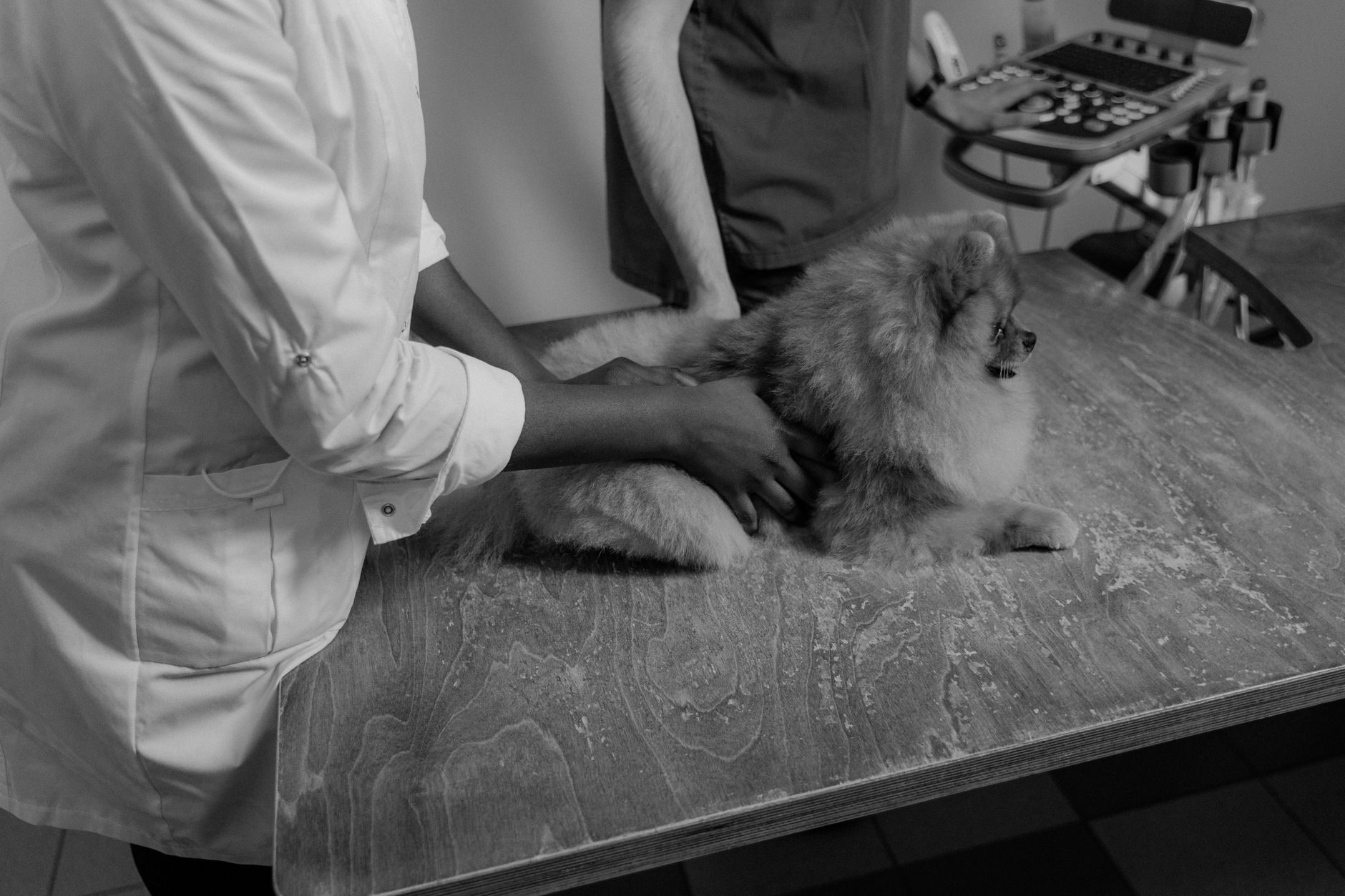
Feeding your puppy well through their first twelve months is one of the highest-impact investments you will make in their long-term health. Get the quantities broadly right, feed at consistent mealtimes, watch for signs that the food is or isn’t working, and do not over-supplement. Most importantly, treat your vet as a partner — a check-up every 3–4 months in the first year gives you an objective set of eyes on your puppy’s growth and condition.
When you’re ready to choose a nutritionally balanced puppy food that fits Indian conditions and breed sizes, explore the SmartHeart puppy range and SmartHeart Gold formulas — both developed to support healthy development through every stage of that crucial first year.
Disclaimer: This article is intended for general informational purposes only and does not constitute veterinary medical advice. If your puppy shows signs of illness, abnormal growth, persistent digestive issues, or any other health concern, please consult a qualified veterinarian promptly.