
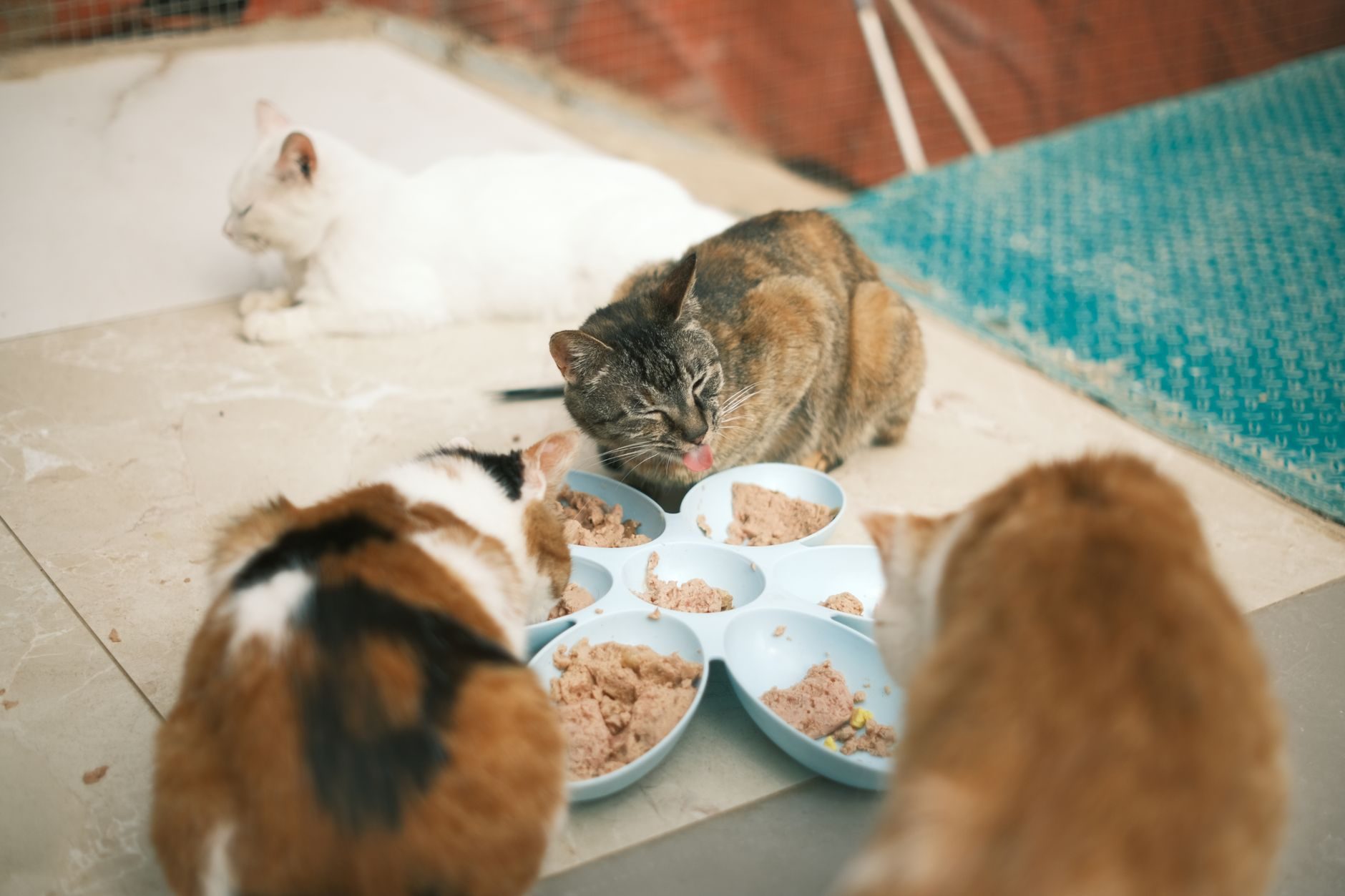
The first twelve months of a kitten’s life are nothing short of extraordinary. In that single year, a tiny creature that fits in your palm grows into a fully formed cat — and almost every aspect of that transformation is powered by what they eat. Get the nutrition right, and you lay the groundwork for strong bones, a healthy immune system, a glossy coat, and a personality that thrives. Get it wrong, and the consequences can follow them for years. If you have just brought a kitten home — or are about to — this guide gives you the concrete, stage-by-stage feeding information you actually need.
Why Kitten Nutrition Is Completely Different from Adult Cat Nutrition
Kittens are not small cats. From a nutritional standpoint, they are more like tiny, perpetually hungry athletes in training. Compared with adult cats, kittens need:
- Roughly twice the calories per kilogram of body weight to fuel rapid growth.
- Higher protein levels — ideally 30–40% on a dry-matter basis — to build muscle and organ tissue.
- More calcium and phosphorus in the correct ratio (approximately 1.2:1) for skeletal development.
- Adequate taurine, an amino acid cats cannot synthesise and which is essential for heart and eye health.
- DHA (docosahexaenoic acid) to support brain development, especially in the first few months.
This is why feeding adult cat food to a kitten — even a high-quality one — can leave critical nutritional gaps. Always choose a product labelled “complete and balanced for growth” or “all life stages,” as these meet the higher nutritional targets kittens require.
Feeding by Age: What to Give and How Much
Kitten nutritional needs shift significantly every few weeks. The schedule below is a practical roadmap, though individual breeds and body sizes may require minor adjustments.
0–4 Weeks: Mother’s Milk or Kitten Milk Replacer
During this stage, kittens should receive only their mother’s milk. Queen’s milk provides species-specific antibodies, the right fat-to-protein ratio, and immune-supporting colostrum that no formula can fully replicate. If the mother is unavailable or has insufficient milk, use a commercial kitten milk replacer (KMR) — never cow’s milk or buffalo’s milk, which kittens cannot digest and which can cause diarrhoea. Feed orphaned neonates every 2–3 hours around the clock using a kitten-specific nursing bottle.
4–8 Weeks: Weaning onto Solid Food
At around four weeks, kittens begin to develop interest in solid food. Start weaning by mixing a small amount of high-quality wet kitten food with kitten milk replacer to create a thin gruel. Gradually thicken the consistency over the next two to three weeks as their digestive systems adjust. By six to seven weeks, most kittens can manage soft wet food on their own. Offer food four to five times per day in small portions — think one to two teaspoons per meal — and always keep fresh water available alongside.
8–16 Weeks: The Transition to a Proper Kitten Diet
This is when most Indian families welcome a kitten into their home, typically after the pet shop or breeder has completed basic weaning. At this age, kittens should be eating a complete kitten-formulated food — wet, dry, or a combination of both. Daily feeding quantities at this stage typically fall between 150–200 kcal per day, spread across three to four meals. Check the feeding guide on the pack of your chosen food, as calorie density varies significantly between products. If you are considering a dry food option, Me-O kitten varieties are widely available across India and formulated to meet the elevated protein and DHA requirements of this growth stage.
4–6 Months: Rapid Growth and Increased Appetite
Between four and six months, kittens hit a phase of especially fast growth and may seem insatiably hungry. This is normal. You can increase daily portions slightly and continue feeding three times a day. A kitten of average build (targeting 3–4 kg as an adult) typically needs around 200–250 kcal per day at this stage. Watch body condition rather than the scale alone: you should be able to feel the ribs with light pressure but not see them. Visible ribs suggest underfeeding; difficulty feeling them at all suggests overfeeding. Most kittens are also neutered or spayed around five to six months. After the procedure, caloric needs can drop by up to 25%, so monitor weight carefully and adjust portions within two to three weeks post-surgery.
6–12 Months: Approaching Adulthood
Growth slows considerably after six months, though most cats are not fully mature until 12 months (and larger breeds like Maine Coons or Ragdolls may take up to 18–24 months). You can reduce meals to twice daily and begin considering whether to transition to an adult formula around the 12-month mark. For cat parents looking for a premium option that bridges the nutritional needs of late kittenhood and early adulthood, Me-O Gold offers enhanced ingredient quality with higher meat-protein inclusion.
Wet Food vs. Dry Food: What Works Best for Indian Kittens?
The wet-versus-dry debate is one of the most common questions new cat parents in India have, and the honest answer is: both have a place.
- Wet food has high moisture content (70–80%), which supports kidney health and helps kittens who do not drink enough water — a common issue since cats evolved as desert animals with a low thirst drive. It is also easier for very young kittens transitioning off milk to chew and digest.
- Dry food is calorie-dense, cost-effective, and more convenient for busy households. It can also offer mild dental benefits through the mechanical action of chewing, though it is not a substitute for proper dental care.
- A combination approach — wet food in the morning and evening, with dry food available for grazing — works well for many kittens. This ensures adequate hydration while providing the convenience of dry kibble.
Whatever you choose, consistency matters. Frequent, abrupt switches in food brand or type can cause digestive upset in kittens. When changing foods, transition gradually over 7–10 days by mixing increasing proportions of the new food with the old.
Foods That Are Dangerous for Kittens (And Common Indian Kitchen Mistakes)
Indian households are warm and generous, and it can be tempting to share home-cooked food with a pleading kitten. However, several common foods found in Indian kitchens are genuinely harmful to cats:
- Onion and garlic (including powders and cooked forms) — damage red blood cells and cause anaemia even in small quantities.
- Milk and dairy — most kittens become lactose intolerant after weaning. Paneer, cream, and regular milk can cause diarrhoea.
- Spiced or seasoned food — salt, chilli, and spices irritate the gastrointestinal tract and can cause dehydration or toxicity.
- Raw fish regularly — while the occasional piece of plain cooked fish is fine, raw fish contains an enzyme that destroys thiamine (Vitamin B1), potentially causing neurological problems over time.
- Bones from cooked meat — can splinter and cause internal lacerations or blockages.
- Grapes and raisins — toxic to cats and associated with kidney failure.
- Chocolate and caffeinated beverages — contain theobromine and caffeine, which are toxic to cats.
If you want to offer your kitten a treat beyond their regular meals, purpose-made cat treats are far safer. Cuties Catz treats are formulated specifically for cats and can be used in small amounts for positive reinforcement during training or bonding sessions.
Warning Signs That Your Kitten’s Nutrition May Be Off
Even with the best intentions, feeding problems can develop. Know what to watch for:
- Persistent loose stools or diarrhoea — can indicate food intolerance, infection, or parasites. If it lasts more than 48 hours, see a vet.
- Bloated or distended abdomen — a common sign of intestinal worms in Indian kittens; deworming at 6, 8, 10, and 12 weeks is standard protocol.
- Dull coat or excessive shedding — can point to protein deficiency, omega fatty acid deficiency, or underlying illness.
- Lethargy or disinterest in food for more than 24 hours — kittens should be energetic and hungry; sustained lethargy warrants prompt veterinary attention.
- Stunted growth — if your kitten is significantly smaller than expected for their breed and age, nutritional deficiency or chronic illness may be the cause.
- Excessive crying after feeding — may suggest food intolerance, discomfort, or that portion sizes are insufficient.
Frequently Asked Questions
How do I know if my kitten is eating enough?
The best indicator is body condition, not weight alone. A well-fed kitten should be alert, playful, and steadily gaining weight (roughly 100 grams per week in the early months). You should be able to feel the ribs with gentle pressure but not see them. If your kitten finishes meals very quickly and cries immediately after, consider slightly increasing the portion or adding an additional small meal.
Can I feed my kitten homemade food instead of commercial pet food?
Homemade diets for kittens are extremely difficult to balance correctly and frequently lead to deficiencies — particularly in taurine, calcium, and B vitamins — that can cause serious, sometimes irreversible health problems. If you strongly prefer homemade feeding, work with a veterinary nutritionist to formulate a properly balanced recipe before making the switch.
When should I switch from kitten food to adult cat food?
For most domestic short and medium-haired breeds common in India, the transition can begin around 10–12 months of age. Make the switch gradually over 10 days to avoid digestive upset. Large breeds should remain on kitten food until 12–18 months. If you are unsure about timing for your specific cat, ask your vet at the 12-month wellness check.
A Healthy First Year Sets Up a Healthy Life
Every meal you give your kitten in their first year is an investment in the decades ahead. Good nutrition during this window supports immune function, bone density, organ development, and even temperament — cats that are well-nourished tend to be more curious, confident, and resilient. You do not need to be perfect; you need to be consistent, attentive, and willing to adjust as your kitten grows. Use this guide as your starting framework, build a relationship with a trusted local vet, and trust your instincts — you know your kitten better than anyone.
Ready to explore kitten-appropriate food options? Browse our range of Me-O kitten and cat food designed specifically for the nutritional needs of cats at every life stage, available at pet stores and online retailers across India.
Disclaimer: This article is intended for general informational purposes only and does not constitute veterinary medical advice. If your kitten shows signs of illness, nutritional deficiency, or abnormal growth, please consult a qualified veterinarian promptly.