
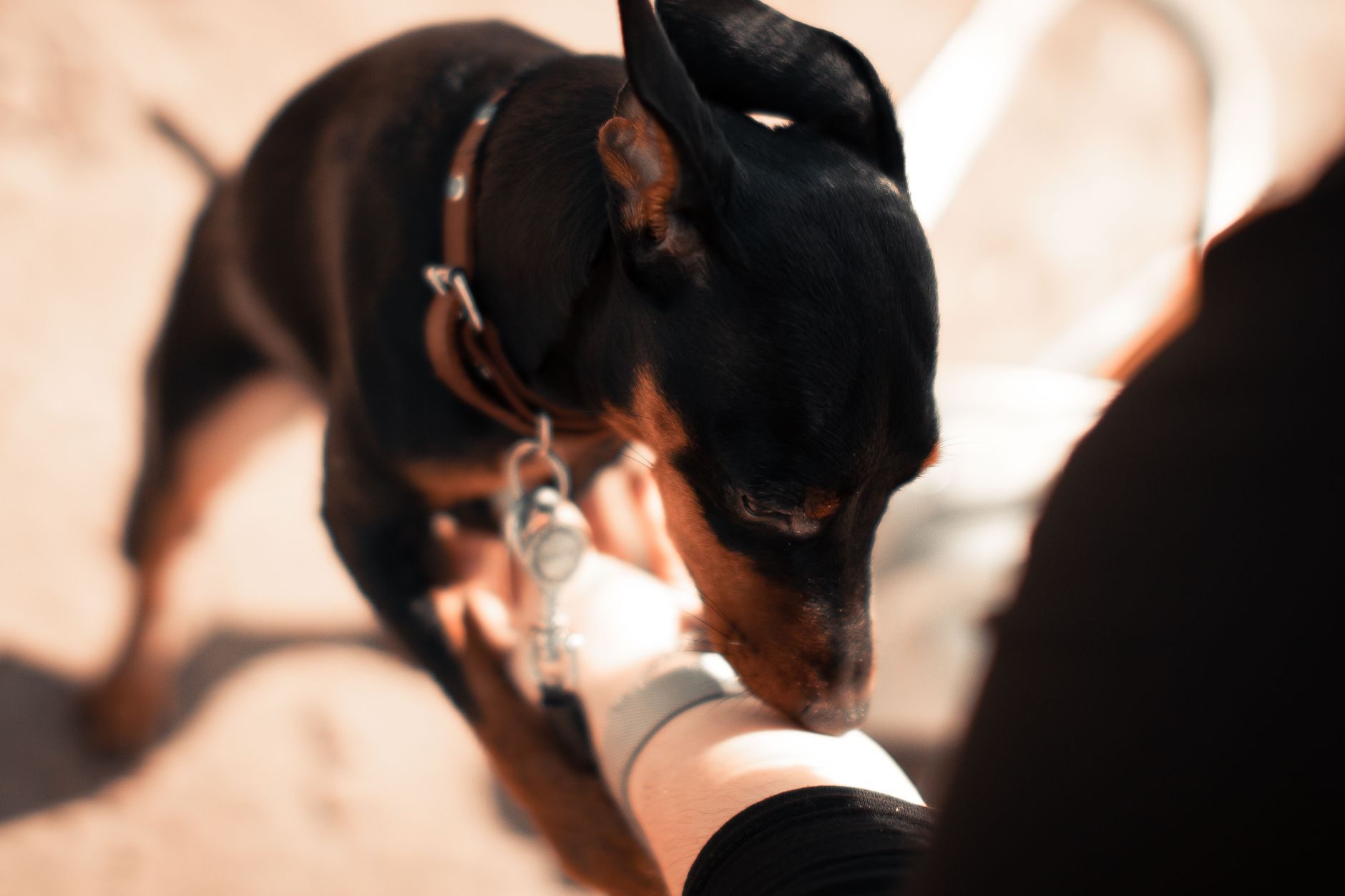
Most dog parents in India discover treats the same way: a puppy does something adorable, you hand over a biscuit, and a lifelong habit is born. There is nothing wrong with that — treats genuinely strengthen the bond between you and your dog and are one of the most effective training tools available. The problem begins when the biscuit tin becomes bottomless, or when meal toppers get piled on without a calorie plan, and suddenly your Labrador is carrying three extra kilograms by his third birthday. This article is a practical, numbers-driven guide to doing treats and toppers correctly — so your dog stays healthy, motivated and excited about every single meal.
Understanding the 10% Rule — And Why It Actually Matters
Veterinary nutritionists consistently recommend that treats should make up no more than 10% of your dog’s total daily calorie intake. This sounds simple, but most dog parents have never translated it into actual numbers. Here is how to do it quickly.
A Quick Calorie Reference for Common Indian Breeds
- Small breeds (Shih Tzu, Pomeranian, Indie under 8 kg): roughly 250–400 kcal per day total; treat budget = 25–40 kcal
- Medium breeds (Beagle, Cocker Spaniel, 9–20 kg): roughly 500–800 kcal per day; treat budget = 50–80 kcal
- Large breeds (Labrador, German Shepherd, Golden Retriever, 25–40 kg): roughly 1,000–1,500 kcal per day; treat budget = 100–150 kcal
A standard commercial dog biscuit carries anywhere from 10 to 35 kcal each. Soft jerky-style treats can run 20–50 kcal per piece. Once you know your dog’s treat budget, you can decide how many pieces fit in a day without tipping the balance. If you are using SmartHeart dog food as your dog’s base diet, check the calorie information printed on the packaging or the brand website and use that figure as your starting point.
On days when you do a heavy training session — multiple short repetitions with reward-based learning — simply reduce the main meal portion slightly to compensate. This keeps total intake stable even when treat frequency goes up.
Choosing the Right Treat for the Right Purpose
Not all treats serve the same function. Using the wrong type for a given situation is one of the most common mistakes dog parents make.
Training Treats
Training rewards should be small, soft and instantly consumable. A dog that has to chew for 30 seconds loses the mental link between the behaviour and the reward. Aim for pea-sized pieces. If you are buying commercial treats, break larger pieces into smaller ones before the session begins. Soft chicken or liver-based bites work well because the smell is motivating even in a distracting environment like a park or a busy street.
Chew Treats for Dental and Mental Health
Longer-lasting chews — raw-hide alternatives, dental sticks, pressed chews — serve a different purpose: they keep a dog occupied, reduce boredom-driven behaviour, and support mild mechanical cleaning of the teeth. These are higher in calories per piece, so they should count firmly against the daily treat budget. Give them as a wind-down activity rather than on top of meals.
Functional Treats
Some treats are formulated to deliver a specific benefit: joint support, coat health, digestive aids, or calming ingredients. These should be used only when there is a genuine need and, where possible, with a vet’s recommendation. Do not layer multiple functional treats together without professional guidance, as you risk oversupplying certain nutrients.
Meal Toppers: When They Help and When They Hurt
Meal toppers have become genuinely popular in Indian households over the last few years — and for good reason. A small amount of wet food, broth, or a flavour-rich topper can revive the appetite of a picky dog, support hydration, and make a complete dry kibble diet more palatable. The key word is small.
How Much Topper Is Too Much?
A practical guideline: a meal topper should account for no more than 10–15% of the meal’s volume. For a medium-sized dog eating 200 g of kibble, that translates to roughly 20–30 g of wet food or broth on top. At this quantity, you are adding palatability and moisture without meaningfully displacing the balanced nutrition in the base diet.
When toppers creep up to 30–40% of the meal, you start creating nutritional imbalance. The dog fills up on the topper — which is rarely a complete and balanced food by itself — and eats less of the kibble that provides vitamins, minerals and precise protein ratios. Over weeks, this can show up as coat dullness, loose stools or unexplained weight fluctuation.
Best Topper Options for Indian Kitchens
- Plain boiled chicken (no spices, no onion, no garlic): shredded finely and used sparingly, this is one of the safest and most effective toppers
- Low-sodium chicken or vegetable broth: adds moisture and smell without much caloric impact; particularly useful for older dogs with reduced appetite
- Commercially prepared wet food: convenient and nutritionally consistent; choose a product from the same brand as your dry food when possible so the nutritional philosophy aligns
- A small spoon of plain curd (dahi): a familiar Indian option that can work for dogs without lactose sensitivity — watch for loose stools in the first few days
Avoid toppers that contain onion, garlic, excessive salt, chilli, or artificial sweeteners — all of which are either toxic or harmful to dogs. This is a non-negotiable rule regardless of how much your dog seems to enjoy the smell.
Building a Snack Timing Routine That Works
Timing matters as much as quantity. An unstructured snack schedule — where treats appear randomly throughout the day — creates two problems: calorie creep that is hard to track, and a dog who learns that pestering you at any moment produces food.
A Sample Daily Treat Schedule
- Morning (post-breakfast, 30 minutes): one short training session of 5–10 minutes using small soft treats; a focused, predictable window that the dog begins to anticipate positively
- Midday: if the dog is alone for long stretches, a chew treat inside a puzzle feeder gives mental stimulation; counts toward the daily treat budget
- Evening (post-walk): a second short training session or a simple reward for calm behaviour; again using the smallest pieces that will motivate your individual dog
- Before bed: if needed, a single small dental chew to wind down — avoid anything high-calorie at this time since activity will be minimal
Communicate this schedule to everyone in the household. In many Indian homes, grandparents, children and domestic helpers all interact with the dog, and each person slipping treats without awareness of the others can triple the daily treat intake without anyone realising it. A simple notes-app log or a treat jar with pre-counted daily portions placed in a visible spot works well to solve this.
Signs You Are Overdoing Treats or Toppers
Your dog’s body will tell you before the weighing scale does. Watch for these early indicators:
- Leaving main meals untouched: a dog who is consistently disinterested in his regular food but lights up for treats has learned that holding out pays off — this is a trained behaviour, not a health problem, and it starts with inconsistent feeding structure
- Loose or unusually frequent stools: often the first sign that toppers or treats are disrupting the digestive balance; rich, fatty or unfamiliar additions are the usual culprits
- Gradual weight gain: weigh your dog monthly at home by holding him and stepping on a bathroom scale, then subtracting your own weight; even a 500 g increase over two months should prompt a treat audit
- Increased begging and food-seeking behaviour: treat timing that is too random reinforces the idea that pestering produces results; re-establishing a fixed schedule typically resolves this within a week or two
- Coat changes or itching: certain treat ingredients — artificial colours, preservatives, or specific proteins — can trigger mild sensitivities in predisposed dogs; if itching coincides with a new treat brand, eliminate it and observe
If you are using a nutritionally complete base diet like SmartHeart Gold, the foundation of your dog’s nutrition is already well calibrated. Treats and toppers should add joy, not nutritional chaos — and keeping them within the guidelines above makes that easy to achieve.
Frequently Asked Questions
Can I use home-cooked food as a meal topper every day?
Yes, with conditions. Plain boiled chicken, rice or vegetables (carrot, pumpkin, beans) can be used regularly as toppers, provided they are prepared without salt, spices, onion or garlic and stay within the 10–15% volume guideline per meal. Consistency matters: keep the type of topper relatively stable to avoid recurring digestive upset from constant dietary changes.
My dog refuses kibble without a topper. How do I wean him off?
Start by reducing the topper gradually over two to three weeks — not all at once. Move from 30% topper to 20% in week one, then 10% in week two, then a few drops of broth only in week three. Most dogs adapt without issue. Warming the kibble slightly with a small splash of warm water can also enhance aroma and palatability without adding calories.
Are commercial treats sold in India safe for daily use?
Quality varies significantly across brands. Look for treats with a clear ingredient list, no artificial colours and a named protein source (chicken, fish, lamb) listed first. Avoid products where the first ingredient is a cereal filler or where preservatives like BHA and BHT appear. When in doubt, choose treats from established pet-food manufacturers whose complete product ranges are also regulated and tested.
The Bigger Picture: Treats as a Tool, Not a Habit
The most effective dog parents treat intentionally. Every biscuit, every spoonful of topper, every training reward is a deliberate choice that serves a specific goal — reinforcing a behaviour, supporting appetite, or simply marking a moment of connection. When treats lose their purpose and become automatic, they lose their power as training tools and start creating the very problems — weight gain, fussiness, digestive disruption — that they were never meant to cause.
India’s pet-care market has grown enormously, and so has the range of available products. Whether you are exploring the treat aisle for the first time or trying to reset a dog who has learned too many bad snacking habits, the framework is the same: know your dog’s daily calorie budget, choose treats that match the purpose, time them consistently, and keep toppers modest. Your dog’s enthusiasm will not diminish — if anything, a treat given with intention is one your dog earns and truly savours.
For a wide range of nutritionally balanced dog food options that make a solid foundation for a treat-inclusive feeding plan, explore SmartHeart dog food and find the right formulation for your dog’s life stage and size.
Disclaimer: This article is intended for general informational purposes only. If your dog is experiencing unexplained weight changes, persistent digestive issues, food refusal, or any other health concerns, please consult a registered veterinarian before making changes to their diet or feeding routine.