
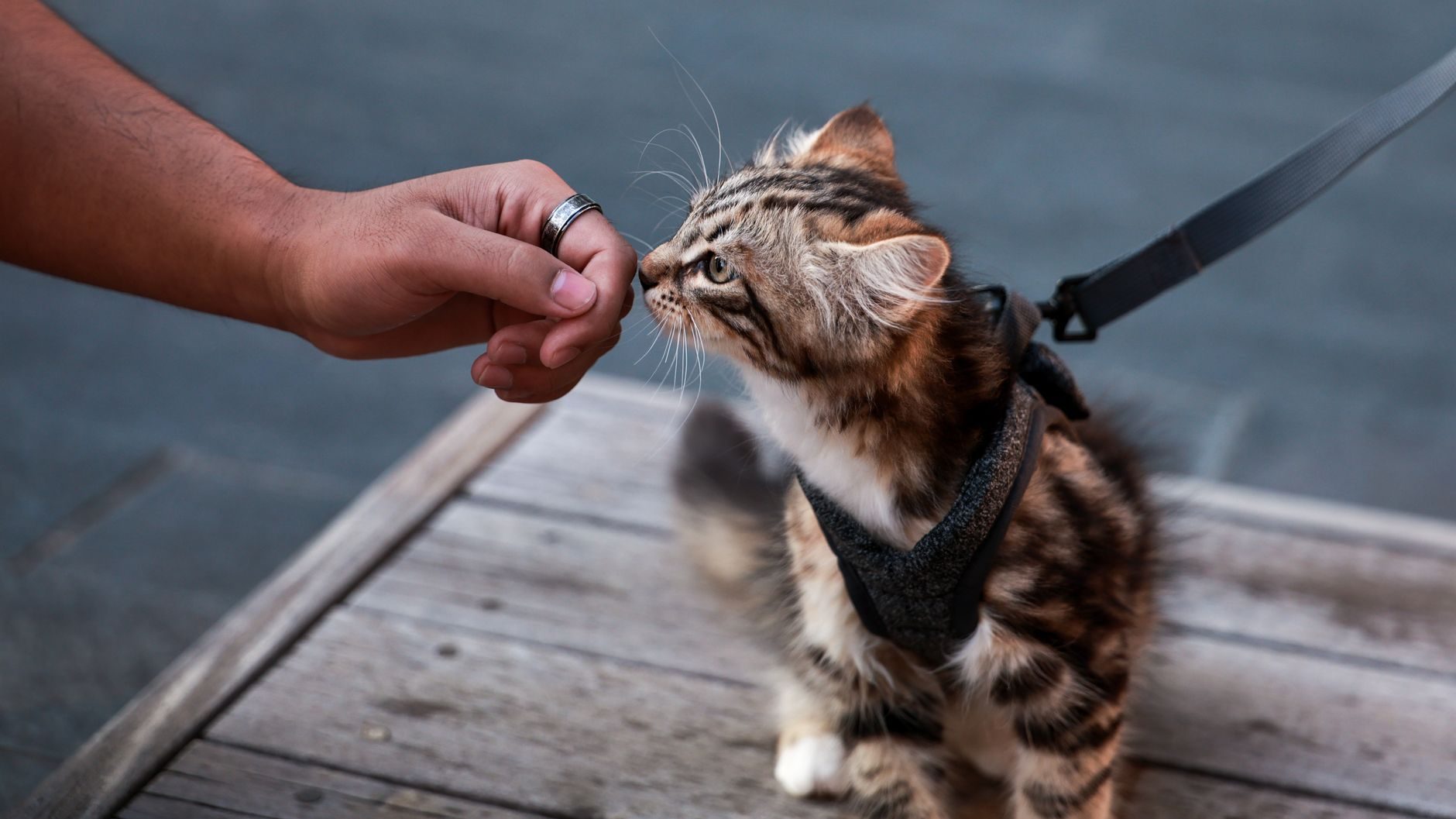
Every cat parent has been there: you open a packet of treats and suddenly your aloof, independent furball transforms into the most attentive creature in the room. Treats are powerful — but that power cuts both ways. Used well, they reinforce good behaviour, add palatability to meals, and turn feeding time into a moment of genuine connection. Used carelessly, they quietly tip your cat’s nutrition out of balance without you even noticing. This guide covers everything you need to know about treats, meal toppers, and building a feeding routine that keeps your cat healthy, engaged, and satisfied for years to come.
Understanding the Role of Treats in Your Cat’s Diet
Treats are not just snacks — they are a nutritional signal, a training tool, and a bonding mechanism rolled into one small morsel. Before you reach into the bag, it helps to understand what treats actually do inside your cat’s body and mind.
The 10% Rule — and Why It Matters in India
Veterinary nutritionists generally agree that treats should make up no more than 10% of your cat’s total daily caloric intake. For an average adult indoor cat weighing around 4 kg, that typically means a daily calorie need of roughly 200–250 kcal. Ten percent of that is just 20–25 kcal from treats — which translates to roughly 3–5 small commercial treat pieces per day, depending on the brand and formulation.
In India, this rule is frequently ignored, especially in multi-cat households or during festivals when sharing “a little extra” feels generous. The problem is cumulative: a cat receiving even 5–6 extra treat pieces daily over several weeks can gain noticeable weight without any change in main-meal portions.
What to Look for on a Cat Treat Label
- Named protein source first: Chicken, tuna, or salmon should appear before fillers like corn starch or rice flour.
- Moisture content: Semi-moist treats tend to be more palatable but may contain higher sugar or humectants — fine occasionally, not as a daily staple.
- No artificial colours: Cats have no preference for bright colours; artificial dyes serve the human eye, not the cat’s health.
- Taurine presence: Unlike dogs, cats cannot synthesise taurine. Treats that include added taurine are a small but meaningful bonus.
Cuties Catz treats, for example, are designed with palatability and portion control in mind — a useful option when you want something your cat will reliably respond to without overloading their daily calorie budget.
Meal Toppers: When and How to Use Them
A meal topper is anything added to your cat’s primary food to enhance flavour, aroma, or nutritional value. Toppers are particularly useful for picky eaters, senior cats with reduced appetite, or cats transitioning between food types.
Appropriate Toppers for Cats
- Small amounts of plain boiled chicken or fish (no salt, no onion, no garlic): A tablespoon mixed into dry kibble can dramatically improve acceptance for a reluctant eater.
- Commercial wet food used as a topper: A small spoonful of quality wet cat food over dry kibble adds moisture — valuable in India’s hot climate, where cats are prone to underdrinking.
- Broth (unsalted, onion-free): A teaspoon of plain chicken or fish broth drizzled over food stimulates appetite and increases hydration without adding significant calories.
- Nutritional supplement toppers: Omega-3 supplements in liquid form can be drizzled lightly over food for coat and joint support — particularly relevant for cats over 7 years.
Toppers That Sound Fine But Aren’t
Raw egg white should be avoided — it contains avidin, which blocks biotin absorption with regular feeding. Cow’s milk is a common Indian household habit, but most adult cats are lactose intolerant and it often causes soft stools or diarrhoea. Cooked bones are an obvious choking hazard. And even though tuna is a popular topper, feeding it daily can lead to mercury accumulation and Vitamin E deficiency over time — use it as an occasional motivator rather than a daily fixture.
Topper Quantity Guidelines
As a general rule, keep toppers to 10–15% of the total meal volume. If your cat’s meal is 60 g of dry kibble, the topper should not exceed 8–10 g. Once you add a topper regularly, reduce the kibble portion slightly to compensate, or you risk consistent overfeeding.
Building a Feeding Routine That Actually Works
Cats are creatures of remarkable internal clockwork. Their digestive system, stress hormones, and hunger signals all sync to predictable timing. A consistent feeding routine is not just about convenience — it genuinely supports gastrointestinal health and reduces anxiety-related behaviours like excessive vocalisation or food guarding.
Meal Frequency by Life Stage
- Kittens (under 6 months): 3–4 small meals per day. Their stomachs are small, blood sugar fluctuates quickly, and they need consistent energy for growth.
- Junior cats (6–12 months): 3 meals per day, transitioning toward 2 as they approach adulthood.
- Adult cats (1–7 years): 2 meals per day, approximately 12 hours apart, works well for most indoor cats.
- Senior cats (7+ years): Some seniors do better with 3 smaller meals to ease digestion and maintain muscle mass, especially if they have been diagnosed with hyperthyroidism or kidney issues.
Timing Treats Within the Routine
The most effective time to offer a treat is immediately after the behaviour you want to reinforce — within 2–3 seconds, ideally. For cats that are not food-motivated in a training context, treats work well as a post-meal reward or an evening bonding ritual rather than a training incentive. Avoid offering treats within 30 minutes before a meal, as this can dull appetite and cause your cat to eat less of their nutritionally complete main food.
Free Feeding vs. Scheduled Meals
Free feeding — leaving dry food out all day — is common in Indian households, particularly in multi-cat homes. It works reasonably well for cats that self-regulate, but it makes it very difficult to monitor individual food intake, catch early appetite changes (a key health signal), or incorporate treats meaningfully without overcatering. Scheduled meals give you far greater control and are strongly recommended if your cat is overweight, on a therapeutic diet, or living with other cats who eat at different speeds.
Signs Your Treat or Topper Routine Needs Adjusting
Your cat’s body will tell you when something is off — you just need to know what to look for.
- Refusing main meals: If your cat walks away from their primary food but accepts treats eagerly, they have learned to hold out for the tastier option. Cut treats immediately and maintain the meal schedule firmly for 2–3 days.
- Soft or loose stools: Often a sign that a topper (broth, wet food, or dairy) has tipped the moisture or fat content of the meal beyond what the gut can process comfortably.
- Weight gain without increased main-meal portions: Nearly always treat-related. Weigh your cat monthly using a kitchen scale (pick them up and weigh yourself together, then subtract your weight). More than a 200 g gain in a month warrants a treat audit.
- Excessive begging or vocalisation between meals: Can indicate treats are being given in response to begging, which reinforces the behaviour. Establish a no-treat zone between set times and remain consistent.
- Coat changes or lethargy: If you have recently changed a topper or introduced a new treat and notice a dull coat or reduced energy, consider whether the new addition is well-formulated and appropriate for your cat’s life stage.
Practical Feeding Routine for an Indian Household
Here is a sample daily schedule for a healthy adult indoor cat in an Indian home, balancing nutrition, treats, and topper use:
- 7:00 AM — Morning meal: Measured portion of complete dry cat food (e.g., Me-O or Me-O Gold for cats needing a premium, life-stage-appropriate formula), approximately 30–40 g depending on body weight and feeding guidelines on pack. Optional: a teaspoon of unsalted broth drizzled over the top as a palatability booster.
- 12:00 PM — Midday enrichment (optional): Hide 2–3 treat pieces in a puzzle feeder or around the room to encourage natural foraging behaviour. This is particularly valuable for indoor cats that lack outdoor stimulation.
- 7:00 PM — Evening meal: Second measured dry food portion, identical to morning. If using wet food as a topper, reduce dry portion by 10–15% to account for the extra calories.
- 8:30 PM — Bonding treat: 2–3 treat pieces offered by hand during quiet time. This builds positive association with handling and grooming.
Total treat allocation: 5–6 pieces per day, kept well within the 10% caloric limit. Adjust quantities based on your cat’s specific weight, activity level, and your vet’s guidance.
Frequently Asked Questions
Can I use treats to get my cat to take medication?
Yes — wrapping a pill in a small amount of treat paste or a soft semi-moist treat is one of the most effective and low-stress methods for medicating cats. Check with your vet first to confirm the treat’s ingredients won’t interact with the medication, and avoid this method for medications that must be given on an empty stomach.
My cat ignores dry kibble unless I add something. Is that a problem?
It can be. Cats can become conditioned to expect toppers and refuse plain food — a habit called “flavour fatigue” in reverse, where heightened palatability raises the baseline expectation. If your cat’s complete food is nutritionally sound and age-appropriate, try warming it slightly (to about body temperature) to release aroma before adding anything extra. If the refusal persists beyond 24 hours, consult a vet to rule out dental pain or underlying illness before assuming pickiness.
Are human foods like paneer or rice safe as occasional toppers for cats?
Plain paneer in very small amounts is generally safe for cats that are not lactose-sensitive, as the fermentation process reduces lactose content significantly compared to milk. Plain cooked rice has minimal nutritional value for cats (who are obligate carnivores) but is not harmful in tiny amounts. Neither should become a regular topper — prioritise toppers that add protein, moisture, or specific nutrients your cat actually needs.
Conclusion
A thoughtful treat and topper strategy, woven into a consistent daily feeding schedule, does more than keep your cat fed — it supports their physical health, mental stimulation, and your relationship with them. The key is intentionality: every treat and every topper should have a purpose, a measured quantity, and a place in the broader nutritional picture. Start with the 10% rule, observe how your cat’s weight and behaviour respond over four weeks, and fine-tune from there. Small, consistent adjustments almost always produce better results than dramatic overhauls.
Looking for treats your cat will actually respond to? Explore Cuties Catz for portion-friendly options designed with Indian cats in mind.
Disclaimer: This article is intended for general informational purposes only and does not substitute professional veterinary advice. If your cat shows signs of illness, significant weight change, or persistent appetite issues, please consult a qualified veterinarian.