
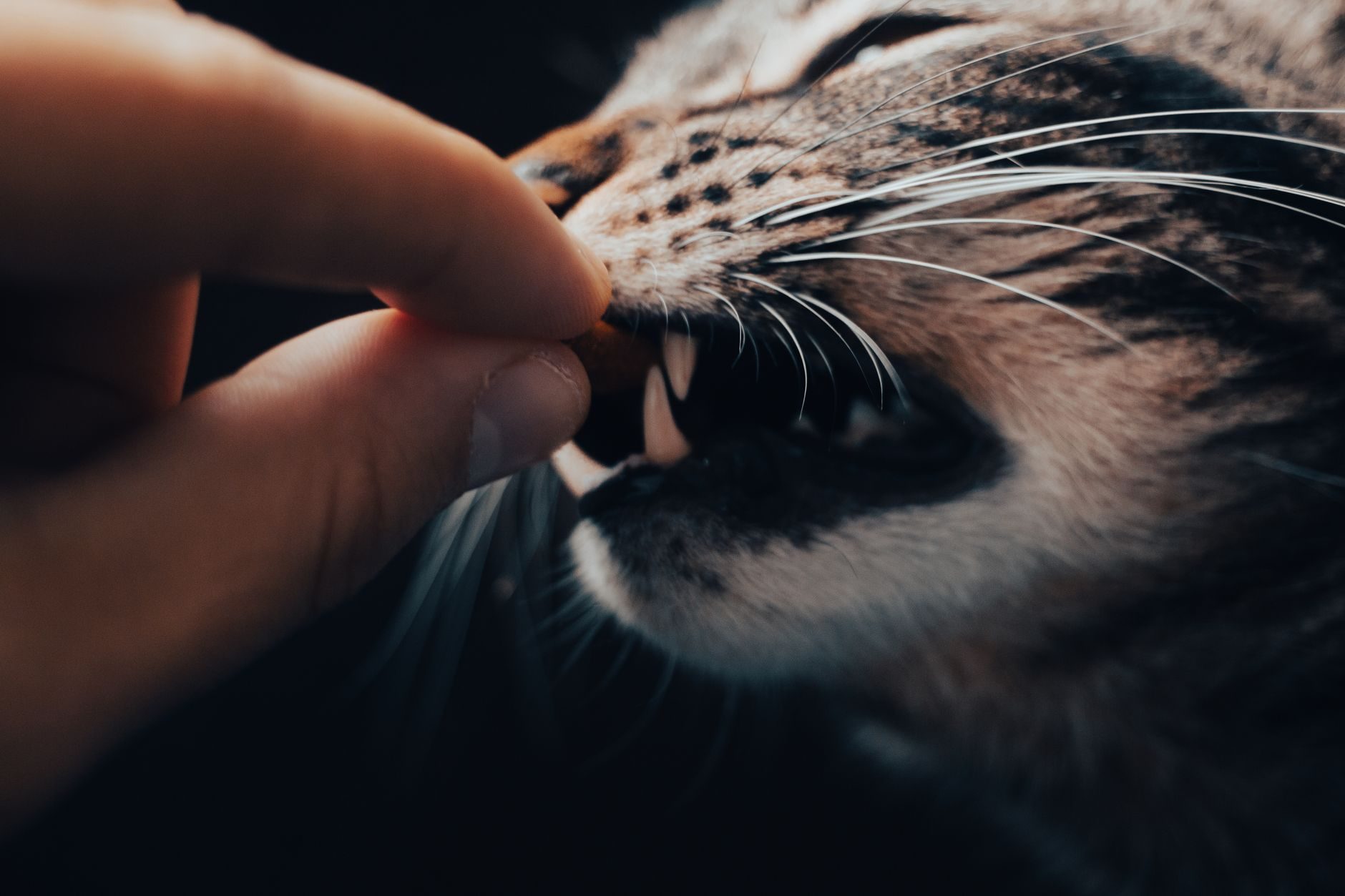
Your cat watches you open her food pouch with the intensity of a hawk spotting a sparrow. But while she is laser-focused on the smell, her body is quietly running a complex set of checks — is there enough taurine? Enough arachidonic acid? Is the protein actually digestible? Cats are not small dogs, and they are certainly not small humans. Their nutritional biology is genuinely unusual, and feeding them well means understanding a few key facts that go far beyond “high protein is good.”
This guide unpacks the three macronutrients — protein, fat, and carbohydrates — from a feline physiology standpoint, so you can read a pet food label with confidence and make choices that serve your cat’s long-term health.
Why Cats Are Obligate Carnivores (And What That Actually Means at the Cellular Level)
The phrase “obligate carnivore” appears on every cat nutrition article, but its practical implications are often undersold. Unlike omnivores, cats have evolved metabolic pathways that assume meat will always be available. This has led to several irreversible enzymatic adaptations:
- Cats cannot synthesise taurine from precursors. Taurine is an amino acid found almost exclusively in animal tissue. A taurine-deficient diet leads to dilated cardiomyopathy and retinal degeneration — both serious, both preventable with the right food.
- Cats have very limited ability to convert beta-carotene to Vitamin A. They need preformed Vitamin A, which again comes from animal liver and tissue.
- Arachidonic acid must come from their diet. Dogs and humans can synthesise it from linoleic acid; cats cannot.
- Cats have persistently high gluconeogenesis. Their livers are always converting protein into glucose for energy, even when dietary carbohydrates are available. This is not a choice — it is their baseline metabolic state.
Understanding these facts helps explain why every macronutrient ratio in cat food matters — and why simply choosing a “natural” or “grain-free” label is not sufficient without looking at the actual nutrient profile.
Protein: The Non-Negotiable Macronutrient
How Much Protein Does a Cat Actually Need?
Adult cats require a minimum of approximately 26% protein on a dry matter basis according to AAFCO guidelines — but most feline nutrition researchers consider this a floor, not a target. Active cats, growing kittens, and pregnant or lactating females have substantially higher needs. For a typical adult indoor cat weighing around 4 kg, a food providing 30–40% protein on a dry matter basis is a reasonable and well-supported target.
Kittens, because they are building muscle, organ tissue, and immune systems simultaneously, need closer to 35–50% protein on a dry matter basis. If your kitten’s food does not carry an “all life stages” or “kitten” label on the AAFCO or BIS nutritional adequacy statement, it likely does not meet these higher thresholds.
Quality Matters More Than Quantity
A food can list chicken as its first ingredient and still deliver poor-quality protein if it relies heavily on chicken by-product meal of uncertain digestibility. What you want to look for is:
- Named animal proteins as the first one or two ingredients (chicken, tuna, salmon, turkey, lamb)
- A digestibility that allows the cat to actually absorb and utilise those amino acids
- Guaranteed taurine content — either listed on the label or confirmed with the manufacturer
This is one reason Me-O Gold is worth considering for cat parents who want a step up in ingredient quality — it is formulated with a focus on higher protein digestibility and balanced amino acid profiles that match what adult and senior cats need.
Fat: Energy, Brain Health, and Coat Condition in One Macronutrient
The Roles of Dietary Fat in Cats
Fat serves several simultaneous functions in your cat’s body. It is the most energy-dense macronutrient at roughly 9 kcal per gram, it is the vehicle for fat-soluble vitamins (A, D, E, K), and it carries the essential fatty acids — omega-3 and omega-6 — that regulate inflammation, skin barrier function, and neurological health.
For adult cats, dietary fat should typically comprise 9–20% of dry matter, though cats with higher energy needs (cold environments, outdoor cats, lactating queens) may benefit from the higher end of that range. Very low-fat diets can lead to dry, flaky skin, a dull coat, and fat-soluble vitamin deficiency even when the cat appears otherwise well-fed.
Omega-3 and Omega-6: The Ratio Question
Much is made of the omega-3 to omega-6 ratio in pet food. Both are essential, but most commercial cat foods — particularly those relying heavily on chicken fat or corn oil — tend to be high in omega-6 and low in omega-3. A diet with a very skewed omega-6 to omega-3 ratio can promote low-grade inflammation over time. Look for foods that include fish oil, salmon oil, or flaxseed as a source of omega-3 fatty acids. This is particularly relevant for cats prone to skin issues or inflammatory conditions like IBD.
Signs of fat deficiency to watch for: rough or brittle coat, excessive shedding beyond seasonal norms, dry or scaly skin patches, lethargy, and slow wound healing.
Carbohydrates: What Cats Can Tolerate — and What They Cannot
The Honest Truth About Cats and Carbs
Cats have low amylase activity in their saliva and relatively low pancreatic amylase compared to dogs and humans. This means they digest starch less efficiently. However, “low efficiency” does not mean “zero tolerance” — cooked starches are still partially digestible by cats, and carbohydrates serve a legitimate structural function in dry kibble manufacturing.
The concern with high-carbohydrate cat foods is not toxicity — it is displacement. When carbs make up a large percentage of calories, protein and fat are proportionally reduced. Since cats’ metabolic systems are protein-dependent, this can gradually lead to muscle wasting, weight gain (paradoxically, as the cat eats more to compensate for amino acid shortfalls), and in some predisposed individuals, insulin dysregulation.
Practical Guidance on Carbohydrate Levels
There is no official minimum carbohydrate requirement for cats — they have none. A well-formulated cat food can contain anywhere from near-zero carbs (wet/raw foods) to around 30–35% dry matter carbs (some economy dry foods) and still be considered adequate. The practical guidance is:
- For healthy adult cats eating dry food: aim for a food where carbohydrates represent under 25–30% of dry matter. You can calculate this yourself: subtract the guaranteed analysis percentages of protein, fat, moisture, ash, and crude fibre from 100 — the remainder is an estimate of carbohydrate content.
- For overweight cats or diabetic cats: a lower-carbohydrate diet (often a wet food) is strongly supported by veterinary literature. Consult your vet before making changes.
- For kittens: prioritise protein and fat density; carbohydrate percentage matters less than ensuring the other two macronutrients are at appropriate levels.
Translating Macronutrients Into Feeding Portions for Indian Households
Nutritional ratios only matter if the feeding quantity is right. An energy-dense food fed in excess will cause weight gain regardless of its macronutrient profile. Here is a practical starting framework — always adjust based on your individual cat’s body condition score (BCS), activity level, and any veterinary guidance:
- Average adult cat (3.5–5 kg, indoor, neutered): approximately 200–250 kcal per day. Check the caloric density on your food packaging (usually listed as kcal/kg or kcal/cup) and work backwards from there.
- Active outdoor or intact adult cat: may need 20–30% more calories.
- Overweight cats: work with your vet to establish a caloric target; typically a 20% reduction from maintenance, with a focus on maintaining protein levels while trimming total calories — usually easier to achieve with a high-protein wet food.
- Kittens under 6 months: feed 3–4 times daily; their caloric needs per kg of body weight are roughly twice that of adults.
A brand like Me-O provides feeding guidelines on packaging based on weight bands, which is a useful starting point — but treat these as suggestions rather than fixed rules, and adjust over 2–4 weeks while monitoring body condition.
If your cat enjoys the occasional treat alongside her main meals, Cuties Catz treats can complement her routine without disrupting her macronutrient balance — just keep treats to under 10% of daily caloric intake.
Signs Your Cat’s Macronutrient Balance May Be Off
You do not need a laboratory to spot early nutritional imbalances. Regular observation of your cat’s body and behaviour will tell you a lot:
- Persistent hunger despite adequate portions: may indicate a protein or fat deficiency, causing the cat to eat calorically but not feel satiated.
- Muscle loss over the back and hindquarters: even in cats that appear a normal weight, visible or palpable muscle wasting is a red flag for inadequate protein or a medical issue like hyperthyroidism.
- Dull, greasy, or excessively shedding coat: often linked to poor-quality fat sources or omega-3 deficiency.
- Soft or malformed stools: can point to excessive carbohydrate fermentation in the gut, poor protein digestibility, or a mismatch between diet and the individual cat’s gut microbiome.
- Excessive water consumption: while many factors contribute to this, a high-carbohydrate diet in susceptible cats can be a contributing factor, and warrants a vet check.
- Weight gain without increased food intake: metabolic effects of a high-carbohydrate, low-protein diet can shift body composition even without overfeeding.
Frequently Asked Questions
Can I feed my cat a vegetarian or vegan diet?
This is not recommended by mainstream veterinary bodies. Given cats’ inability to synthesise taurine, Vitamin A, and arachidonic acid from plant precursors, a plant-based diet presents a serious risk of deficiency unless it is very carefully supplemented — and even then, the long-term safety data in cats is limited. If you have ethical concerns about meat-based diets, discuss options with a veterinary nutritionist.
Is wet food always better than dry food for cats?
Not necessarily “always,” but wet food has meaningful advantages: higher moisture content (important given cats’ naturally low thirst drive), typically lower carbohydrates, and higher protein density on a caloric basis. Dry food offers convenience and dental abrasion benefits. Many cat parents find that a combination — wet food as the primary meal with dry food available for grazing — works well in practice.
How do I read the “dry matter basis” on a cat food label?
The guaranteed analysis on a label is listed “as fed,” meaning it includes the food’s moisture content. To compare foods fairly, you need to convert to dry matter. The formula: divide the nutrient percentage by (100 minus the moisture percentage), then multiply by 100. For example, if a food shows 10% protein and 78% moisture: 10 ÷ (100 − 78) × 100 = 45.4% protein on a dry matter basis. This makes wet and dry foods directly comparable.
Feeding Your Cat Well Is a Long Game
Macronutrient science can feel dense, but the day-to-day application is simpler: choose a named animal protein as the primary ingredient, ensure adequate fat without excess, keep carbohydrates in proportion, match portion sizes to your individual cat’s weight and activity, and watch her body condition over time. Small, consistent adjustments based on what you observe will always outperform any single “perfect” food choice made once and never revisited.
Cats cannot tell you when something is nutritionally off — but their coat, muscle tone, energy levels, and digestion will. Pay attention to those signals, and you will catch most issues early.
For curated cat food options that reflect sound macronutrient formulation, explore the range at Me-O Gold — designed for cat parents who want more than the basics from every bowl.
Disclaimer: This article is intended for general informational purposes only and does not constitute veterinary medical advice. If your cat is showing signs of nutritional deficiency, unexplained weight changes, digestive issues, or any other health concerns, please consult a qualified veterinarian before making changes to her diet.