
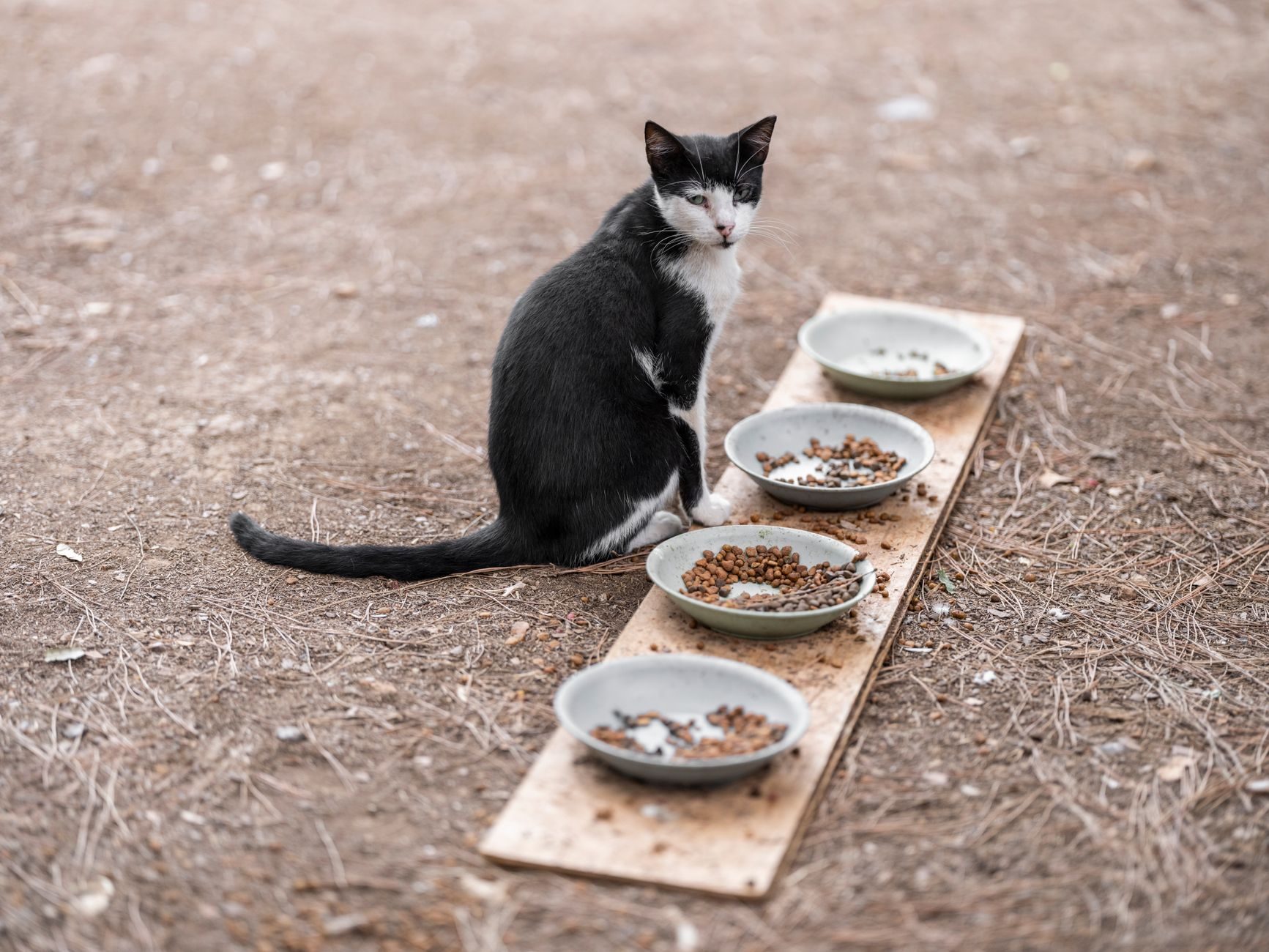
Your cat cannot tell you when something feels off. But their body does — quietly, consistently, and often well before any serious problem develops. A slightly greasy coat, a litter box visit that looks wrong, a belly that seems rounder than last month: these are not random quirks. They are diet signals, and once you learn to read them, you become a genuinely better cat parent.
This guide breaks down the four most informative health signals tied directly to what your cat eats — coat condition, digestive health, body weight, and hydration — and gives you practical, specific steps to act on what you find.
1. The Coat: Your Cat’s Fastest-Feedback Nutritional Report
Skin and fur have a high nutritional turnover rate. Within four to six weeks of a dietary change — for better or worse — you will see it reflected in your cat’s coat. This makes the coat one of the earliest and most reliable indicators of diet quality.
Signs the coat is telling you something is wrong
- Dullness or lack of shine: Often points to insufficient omega-3 and omega-6 fatty acids. These essential fatty acids are not produced by the cat’s body and must come entirely from food.
- Excessive shedding outside seasonal moults: Can indicate low protein quality or a deficiency in biotin and zinc.
- Dry, flaky skin (dandruff): A common sign of inadequate fat content in the diet or poor moisture intake.
- Greasy or matted fur: Sometimes linked to excess carbohydrates or low-quality protein that the body cannot properly utilise.
- Thin patches or over-grooming: While stress is a factor, nutritional deficiencies — particularly in B-vitamins and adequate taurine — can contribute to skin sensitivity that triggers compulsive grooming.
What to do
Look first at the protein source and fat percentage in your cat’s food. Cats are obligate carnivores, which means they need animal-sourced protein as the foundation of every meal. A food where a named meat (chicken, tuna, salmon) appears as the first ingredient is a meaningful baseline requirement — not a marketing bonus. Foods that include fish oil or flaxseed as a fat source actively support coat health. If your cat is currently eating a basic adult formula and showing coat deterioration, consider moving to a premium option specifically formulated with skin and coat support. Me-O Gold is formulated with higher-grade ingredients designed to support exactly this kind of visible health outcome.
2. Digestion: What the Litter Box Actually Reveals
Healthy digestion is not just about avoiding obvious upset. It is about consistent, well-formed stools, a predictable routine, and an absence of visible distress. Most Indian cat parents are surprised to learn how directly food quality maps to litter box outcomes.
What healthy digestion looks like
- Stools are firm but not rock-hard, mid-brown in colour, and passed once or twice daily
- No strong, room-clearing odour — some smell is normal, but pungent stools consistently point to poor protein digestibility
- No straining, no audible discomfort, no excessive gas
Red flags and what they mean
- Chronic soft stools or diarrhoea: Often caused by sudden food transitions, high-fat diets, or a food ingredient the cat’s gut cannot process (common culprits include certain grains, artificial additives, or low-quality meat meals).
- Constipation: Dry kibble without adequate water intake is a frequent cause in Indian cats, particularly during summer months when ambient temperatures push cats toward dehydration.
- Very dark or mucus-coated stools: These warrant a vet visit, but diet is often involved — low fibre, poor fat digestion, or a food that is simply not agreeing with that individual cat.
- Frequent vomiting of undigested food: This differs from hairball regurgitation. If it happens more than once a week, food texture, portion size, and ingredient quality should all be reviewed.
Transition slowly — always
One of the most common digestive mistakes Indian cat parents make is switching foods abruptly. Even a move to a better-quality food needs to be gradual: mix 25% new food with 75% old food for two to three days, then 50/50 for two days, then 75% new for two days, before a full switch. Rushing this process is a guaranteed route to loose stools, regardless of how good the new food is.
3. Body Weight: The Number That Tells You If Portions Are Right
An estimated 40 to 50 percent of pet cats in urban India are overweight — and most of their owners do not realise it, partly because a plump cat has been culturally associated with a well-loved cat. But excess body weight in cats is directly linked to diabetes, joint disease, urinary problems, and a shortened lifespan.
How to check your cat’s body condition at home
You do not need a vet scale for a basic check. Run your hands along your cat’s ribcage. You should be able to feel individual ribs without pressing hard, but they should not be visually prominent. Looking from above, a healthy cat has a visible waist tuck behind the ribs. Looking from the side, the belly should be slightly tucked upward — not hanging down. If ribs are buried under fat or there is no waist definition at all, your cat is likely overweight.
Feeding quantities: what the packaging says versus what your cat needs
Feeding guidelines on packaging are starting points, not prescriptions. They are typically calculated for an average adult cat of a given weight with moderate activity — which may not describe your cat at all. An indoor-only cat in a Mumbai flat in summer moves far less than the guidelines assume. As a rough working guide:
- A 4 kg adult indoor cat needs approximately 200–240 kcal per day
- Dry kibble typically provides around 350–400 kcal per 100g; wet food is usually 70–100 kcal per 100g
- Treats should not exceed 10% of daily caloric intake — a meaningful number to remember if you are generous with Cuties Catz treats
Weigh your cat monthly. A loss or gain of more than 200g in a month without intentional dietary change is worth investigating.
Underweight cats: when thin is also a signal
Visible spine, hip bones, and ribs without any palpable fat covering indicate your cat is underweight. In younger cats this often points to insufficient caloric density in the food or parasites. In cats over seven years old, unexplained weight loss should always prompt a vet visit, as it can indicate hyperthyroidism, kidney disease, or dental pain making eating difficult.
4. Hydration: The Most Overlooked Dietary Variable in India
Cats evolved as desert animals with a low thirst drive. They are biologically designed to get most of their moisture from prey — which is approximately 70% water. Dry kibble contains roughly 8–10% moisture. This gap matters enormously, especially in India where temperatures regularly exceed 35°C for months at a time.
Signs your cat is not drinking enough
- Skin that stays tented when gently pinched (poor elasticity)
- Dry or pale gums
- Reduced urination frequency or very concentrated, dark urine
- Lethargy disproportionate to activity level
- In longer-term cases, recurrent urinary tract infections or crystals — conditions that are genuinely common in dry-food-only Indian cats
Practical hydration strategies
- Add wet food to the rotation: Even replacing one dry meal per day with a wet pouch increases daily moisture intake significantly. Mixing wet food with dry kibble is widely accepted and well-tolerated by most cats.
- Place multiple water bowls: Cats drink more when water is not next to their food bowl. Place one in each room your cat regularly uses.
- Try a pet water fountain: Moving water triggers the drinking instinct in many cats — this is not a gimmick, it has a real behavioural basis.
- Add a small amount of water or unsalted chicken broth to kibble: Many cats will consume this without complaint and benefit from the added hydration.
Frequently Asked Questions
My cat’s fur looks dull but they seem otherwise healthy. Should I be worried?
Dull coat on its own, without other symptoms, is most commonly a nutrition issue rather than an illness. Start by reviewing your cat’s food — specifically the fat content and protein source. If the coat does not improve within six weeks of moving to a higher-quality food, consult your vet to rule out thyroid or skin conditions.
How do I know if my cat is eating the right amount when I free-feed dry kibble?
Free-feeding (leaving food out all day) makes portion control very difficult and is a leading cause of feline obesity. If you prefer free-feeding, use a measured daily portion placed in the bowl — divide your cat’s daily caloric target by the kcal per 100g figure on the packaging. Weigh the food with a kitchen scale for accuracy. Monitor body weight monthly and adjust accordingly.
Is it normal for Indian cats to drink very little water even in summer?
It is common, but it is not healthy or normal in the sense of being without consequence. Cats on dry-food-only diets in hot climates are at significantly elevated risk of urinary tract disease. Increasing wet food and ensuring clean, accessible water in multiple locations should be standard practice for Indian cat owners, particularly from March through June.
Putting It All Together
Reading your cat’s health signals is not complicated once you know what to look for. A glossy coat, consistent litter box habits, a stable healthy weight, and adequate hydration are all downstream effects of one core variable: what goes into your cat’s bowl every day. The good news is that diet is one of the most actionable things you can change. Upgrading food quality, managing portions accurately, and ensuring moisture intake can produce visible results in weeks.
If you are looking for a starting point, explore Me-O Gold for a premium daily diet, or browse the full Me-O cat food range to find the right formula for your cat’s life stage and needs. Small, consistent changes to daily nutrition make a significant long-term difference to your cat’s quality of life.
Disclaimer: The information in this article is intended for general educational purposes only and does not substitute professional veterinary advice. If your cat is showing persistent or severe symptoms related to coat, digestion, weight, or hydration, please consult a qualified veterinarian for diagnosis and treatment.