
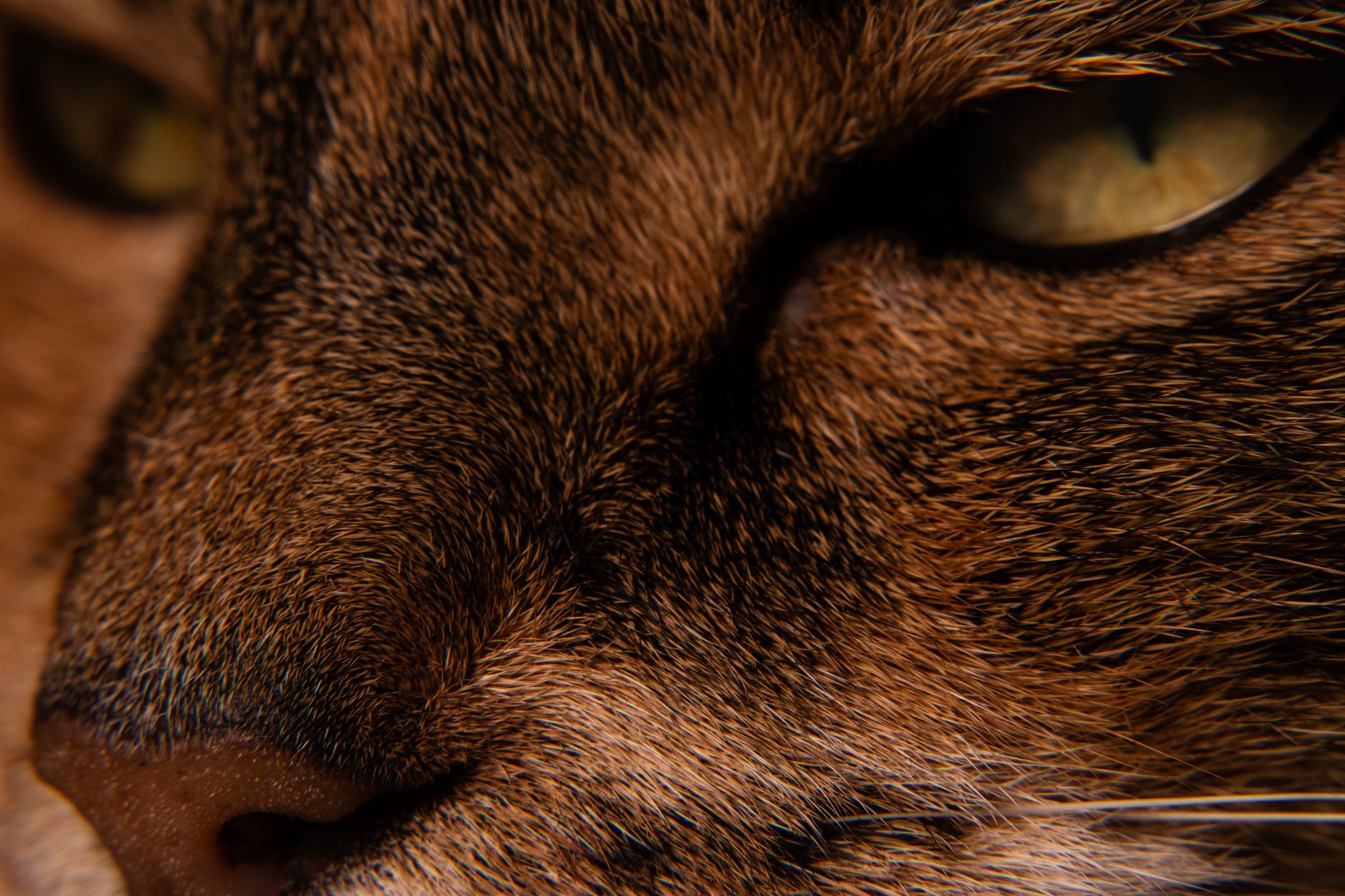
Most cat parents notice something is off before they can name it. The coat that used to shine now looks flat. The litter box suddenly demands twice-daily cleaning. Your once-lean cat has a soft, pendulous belly that wasn’t there six months ago. These aren’t random occurrences — they are your cat’s body running a diagnostic on the food you’re giving them, and printing the results in plain sight. This article will help you read that printout accurately.
The Coat Doesn’t Lie: What Fur Quality Reveals About Nutrition
A cat’s fur is metabolically expensive. Because it is not essential to survival the way organ function is, the body routes nutritional shortfalls away from the skin and coat first. That makes the coat one of the earliest and most reliable indicators that something in the diet isn’t adding up.
Signs to watch for
- Dullness or lack of sheen: Often linked to insufficient omega-3 and omega-6 fatty acids. These essential fats are not synthesised by cats and must come entirely from food.
- Excessive shedding or thin patches: Can indicate low protein quality or biotin deficiency. Cats need animal-source protein — plant protein does not deliver the right amino acid profile for coat maintenance.
- Dandruff or flaky skin: Frequently a sign of low dietary fat, inadequate zinc, or chronic mild dehydration from eating a dry food without sufficient moisture compensation.
- Over-grooming or skin irritation: While this can be behavioural, a food allergy or intolerance to a specific protein source or artificial additive is a common trigger.
What to do
Check the ingredient list on your current food. Animal protein (chicken, fish, tuna) should appear as the first ingredient, not a grain or a by-product meal. If your cat is on a basic dry kibble, consider upgrading to a formula that explicitly lists omega fatty acid sources. Me-O Gold is formulated with tuna as a primary protein source and includes omega-3 and omega-6 support specifically for skin and coat health — a practical starting point if dullness or shedding is your primary concern.
Decoding Digestion: What the Litter Box Is Actually Telling You
Nobody enjoys studying their cat’s waste, but a 30-second check every other day will tell you more about gut health than almost any other observable signal.
Stool consistency guide
- Firm, log-shaped, mild-smelling stools: The gold standard. Your cat is digesting and absorbing nutrients efficiently.
- Soft, shapeless, or mushy stools: Often a sign of too-rapid intestinal transit, low fibre, or a protein source the cat is not tolerating well. If this appears within a day or two of switching foods, the transition was too abrupt.
- Dry, crumbly, very hard stools: Usually a sign of insufficient moisture intake, but can also indicate too much insoluble fibre or a diet too high in ash content.
- Noticeably foul-smelling stools: Strong odour beyond the normal range often points to poor protein digestibility — the food contains protein the cat’s gut cannot fully break down, which ferments in the colon.
- Mucus or occasional undigested food visible: Warrants a vet visit if it persists more than 48 hours.
The fibre balance question
Cats are obligate carnivores and their guts are short by design — food passes through in roughly 12–24 hours. They need modest amounts of soluble fibre (which slows transit and feeds beneficial gut bacteria) but very little insoluble fibre. Foods with excessive grain fillers can push too much insoluble bulk through a gut that simply isn’t built for it. Look for a digestibility percentage on the packaging or brand website; a high-quality cat food typically exceeds 85% protein digestibility.
Transitioning food safely
If you are switching brands or formulas, use a 7–10 day transition: days 1–3, mix 25% new food with 75% old; days 4–6, go 50/50; days 7–9, 75% new; day 10, full switch. Rushing this is the single most common cause of self-inflicted digestive upset in cats.
Weight Management: When to Worry About Too Much or Too Little
India’s urban cat population skews overweight, largely because indoor cats have limited activity and their owners express affection through generous feeding. But underweight cats are a real concern too, particularly in multi-cat homes where competition at the bowl goes unnoticed.
Body condition scoring at home
You do not need a scale for a first assessment. Run your hands along your cat’s ribcage. You should be able to feel each rib with light pressure — not see them, but feel them with no need to dig. If you cannot feel the ribs at all beneath a layer of fat, your cat is overweight. If the ribs are immediately visible or feel sharp to a featherlight touch, your cat may be underweight.
Calorie guidance for common cat weights
These are approximate maintenance figures for adult, neutered, indoor cats:
- 3 kg cat: approximately 150–170 kcal per day
- 4 kg cat: approximately 180–210 kcal per day
- 5 kg cat: approximately 210–250 kcal per day
Most quality dry cat foods provide around 340–380 kcal per 100g. That means a 4 kg indoor cat typically needs only 50–60g of dry food per day — far less than what a standard coffee mug holds, and often less than owners assume. Check the specific feeding guide on your brand’s pack, as caloric density varies. Treats — even healthy ones like Cuties Catz treats — should account for no more than 10% of daily caloric intake.
Why diet composition matters for weight, not just calories
Two foods with identical calorie counts can produce very different body weight outcomes depending on their protein-to-carbohydrate ratio. Cats metabolise protein for energy more efficiently than carbohydrates, and high-protein diets tend to preserve lean muscle mass during weight loss while reducing fat stores. A food high in corn or wheat starch can contribute to fat accumulation even if total calories seem reasonable.
Hydration and Diet: The Moisture Connection Your Cat Needs You to Understand
Unlike dogs, cats have a low thirst drive — an evolutionary legacy from desert-dwelling ancestors who obtained most moisture from prey. This means cats on exclusive dry diets are frequently in a state of mild, chronic dehydration without obvious symptoms until a problem develops.
Signs of diet-related underhydration in cats
- Dry, crumbly stools (as noted above)
- Reduced urine volume or infrequent litter box visits
- Strong-smelling, highly concentrated urine (orange-tinged rather than pale yellow)
- Lethargy that is not explained by illness
- Skin tent test: gently pinch the skin at the scruff; in a well-hydrated cat it snaps back immediately
Practical steps
If your cat eats only dry food, offer at least two fresh water sources, ideally away from the food bowl (cats instinctively distrust water near their food — an instinct linked to contamination avoidance in the wild). Many cats drink significantly more from a circulating water fountain than a static bowl. Adding a daily serving of wet food, even as one meal of two, meaningfully increases total water intake. Wet cat foods typically contain 70–80% moisture versus 8–10% in dry kibble — a substantial difference.
When Diet Alone Isn’t the Answer: Red Flags That Need a Vet
Nutritional adjustments can resolve many of the signals described above. But some symptoms that look dietary have medical causes that food changes will not fix — and delaying a vet visit in these cases can cause real harm.
See a veterinarian promptly if you observe any of the following:
- Weight loss of more than 10% of body weight over 4–6 weeks despite no change in diet
- Persistent vomiting (more than once or twice weekly, ongoing)
- Blood in stool or urine
- Complete loss of appetite lasting more than 24–36 hours
- Sudden, severe coat loss or open skin lesions
- Distended abdomen with visible discomfort
Conditions like hyperthyroidism, inflammatory bowel disease, diabetes, and kidney disease can all mimic dietary problems in their early stages. A blood panel and urinalysis from your vet will quickly distinguish a nutritional issue from a medical one.
Frequently Asked Questions
My cat’s coat improved when I switched to a more expensive food. Why?
Premium formulas typically use higher-grade protein sources with better amino acid profiles and include more bioavailable omega fatty acids. They also tend to exclude artificial preservatives and colourings that can trigger low-grade skin inflammation in sensitive cats. The improvement you saw was real — the food was delivering nutrients the previous diet wasn’t providing in sufficient quantity or quality.
How quickly should I see changes after switching my cat’s diet?
Digestive changes (stool consistency, frequency) typically stabilise within 2–3 weeks of a complete food transition. Coat improvements take longer because the hair growth cycle in cats spans several months — allow 8–12 weeks before assessing coat quality changes from a new diet.
Is it normal for my cat to eat less in summer?
Yes, slightly reduced appetite in hot weather is normal in cats, just as in humans. However, if your cat is eating noticeably less for more than 3–4 consecutive days, or if reduced eating is accompanied by lethargy, it is worth a veterinary check. Ensure fresh water is available at all times and consider whether their feeding spot is too warm.
Putting It Together: A Simple Weekly Check-In Routine
You don’t need to over-engineer this. Once a week, spend two minutes running through four quick checks: look at the coat (sheen, shedding, dandruff), check the most recent stool you saw in the litter box, feel the ribcage, and observe water intake and urine output. Keep a brief note in your phone. A pattern will emerge within a month, and that pattern is your cat’s personal nutritional baseline — far more useful than any generic chart.
If you’re looking to build that baseline on solid nutritional ground, Me-O Gold offers formulas designed around the specific macronutrient needs of adult cats — and the ingredient quality to make the four-point weekly check a genuinely reassuring routine rather than an anxious one.
Disclaimer: The information in this article is intended for general educational purposes only and does not constitute veterinary medical advice. If your cat is showing persistent, severe, or worsening symptoms related to coat, digestion, weight, or hydration, please consult a qualified veterinarian promptly.