
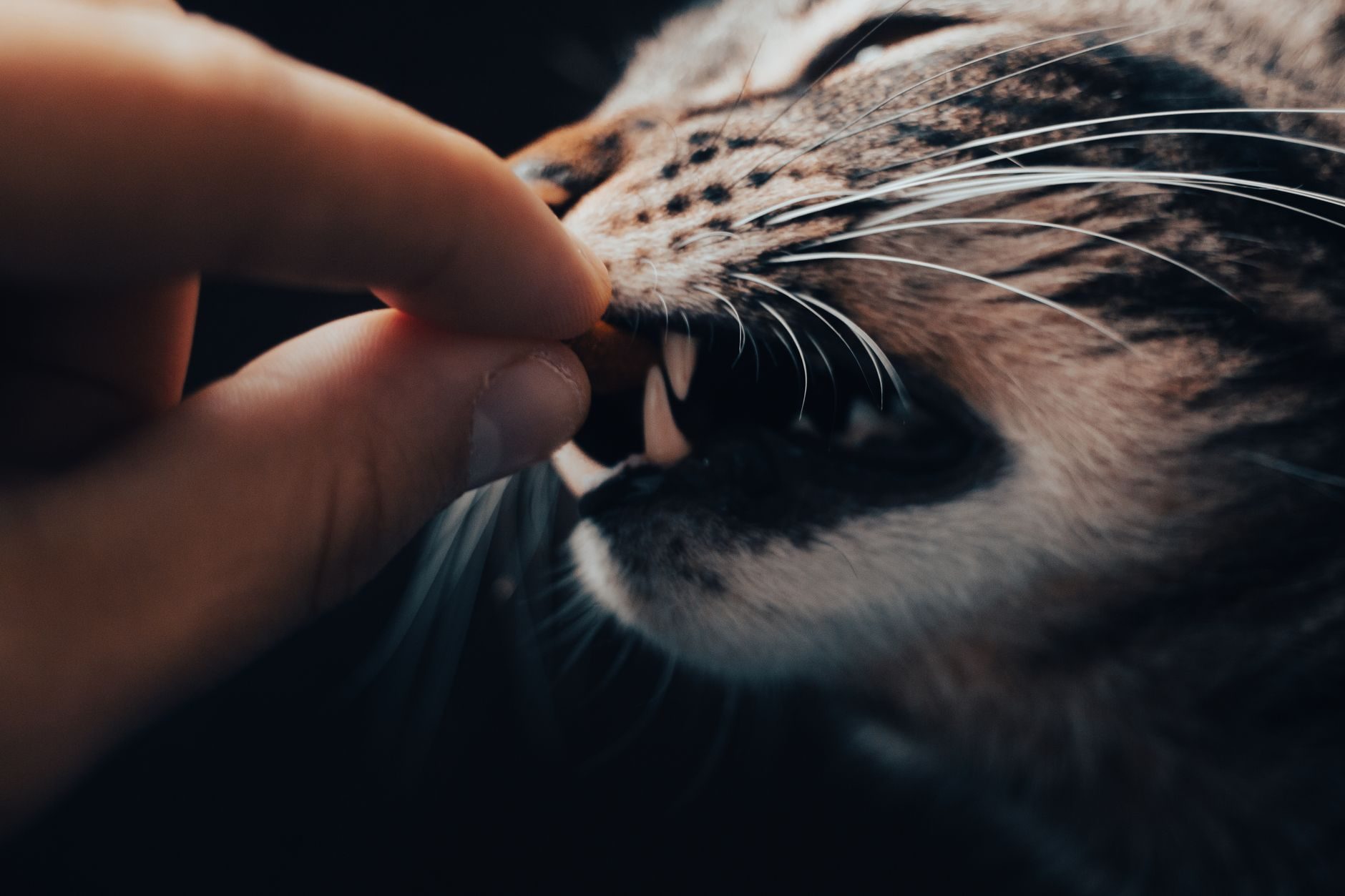
Most cat parents discover the magic of treats early. One tiny morsel and your aloof, independent feline is suddenly your most devoted audience. But that same magic, used without a plan, quietly chips away at your cat’s nutritional balance, ideal body weight, and daily routine. Treats and meal toppers are genuinely powerful feeding tools — the problem is that most guidance on using them is either vague or buried in fine print on packaging. This article changes that.
Why Treats Are More Than Just a Reward
Cats are not wired the way dogs are. They don’t have an inherent desire to please, which means every treat-based interaction you have with your cat is actually a window into how they experience trust, safety, and stimulation. When used thoughtfully, treats serve several legitimate purposes beyond “I love you”:
- Training and behaviour shaping: Yes, cats can be trained. Treats are the most effective reinforcer for teaching recall, carrier acceptance, and even simple commands.
- Medication delivery: Wrapping a pill or mixing a powder supplement with a soft treat makes compliance far easier for both of you.
- Stress and anxiety management: Offering a high-value treat during a vet visit, nail trim, or introduction to a new pet creates a positive association over time.
- Appetite stimulation: Picky eaters or recovering cats often respond to the smell and texture of a treat before they’ll engage with their main meal.
Understanding why you’re offering a treat matters, because it determines what type to choose, how much to give, and when to give it.
The 10% Rule — and Why Indian Cat Parents Often Stretch It
Veterinary nutritionists consistently recommend that treats make up no more than 10% of your cat’s daily caloric intake. For a typical indoor adult cat weighing around 4 kg with a daily caloric need of roughly 200–250 kcal, that means treats should contribute no more than 20–25 kcal per day. Depending on the treat, that could be as few as 3–5 pieces of a soft, semi-moist treat.
In practice, Indian cat parents often give far more — sometimes because treat packets don’t clearly list calorie counts, and sometimes because a cat’s persistent meowing is genuinely hard to ignore. Here are the signs that your cat’s treat intake has quietly crossed the line:
- Leaving regular meals partially uneaten, especially after treat sessions
- Gradual weight gain over weeks, even without obvious overfeeding
- Increased begging behaviour and vocalisation at odd hours
- Loose stools or inconsistent litter box output
- Loss of interest in their primary food brand or flavour
If you’re noticing two or more of these signs, it’s worth keeping a simple three-day food diary — logging everything your cat eats, including treats — before adjusting anything.
Meal Toppers: What They Are and How to Use Them Properly
A meal topper is anything added on top of or mixed into your cat’s primary food to increase palatability, nutrient density, or hydration. They’ve grown popular in India alongside the rise of awareness about feline hydration needs, since cats have a notoriously low thirst drive and often don’t drink enough water from a bowl.
Types of meal toppers that work well for cats
- Wet food or gravied sachets: Adding a small amount (typically 1–2 tablespoons) of wet food on top of dry kibble dramatically increases moisture intake. This is particularly useful for cats prone to urinary tract issues.
- Bone broth (unsalted, onion-free, garlic-free): A tablespoon of plain chicken or fish broth warmed slightly can encourage a reluctant eater to engage with their bowl. Always confirm it contains no added salt, onion, garlic, or spices — all of which are toxic to cats.
- Cooked egg yolk (occasional): A small amount of plain, fully cooked egg yolk can add protein and healthy fat, particularly useful for underweight or post-illness cats. Offer this no more than twice a week.
- Plain boiled chicken or fish (shredded, boneless): A teaspoon’s worth as a topper can work well, but should not replace a complete-and-balanced primary food.
When toppers become a problem
Toppers work best as an occasional boost, not a daily expectation. Cats are creatures of habit with strong flavour memories. If you add a topper every single day, your cat will quickly begin refusing meals served without it. Introduce toppers 3–4 times per week at most, and vary the type so no single topper becomes a non-negotiable demand.
Also keep portion discipline: a topper should complement the primary meal, not add a second full meal’s worth of calories on top of it. If you’re adding 50 g of wet food as a topper, reduce the dry kibble portion by a corresponding amount.
Building a Daily Feeding Routine That Actually Works
Cats thrive on predictability. Their internal clocks are remarkably accurate, and a consistent feeding schedule reduces anxiety, prevents obsessive food-guarding, and makes it much easier to notice when something is off with your cat’s appetite — which is often the first sign of illness.
Recommended schedule for adult cats
For most adult cats (1–7 years), two meals a day at fixed times works well — morning and evening, roughly 10–12 hours apart. If you’re using a complete dry food like Me-O cat food, the feeding guide on the pack gives you a starting portion based on your cat’s weight. Use a kitchen scale for the first week until you’re confident eyeballing the right amount.
Adjustments for kittens and seniors
- Kittens (under 12 months): Three to four smaller meals spread through the day, since their stomachs are small and their energy needs per kilogram of body weight are much higher than adults.
- Senior cats (8 years and above): Two meals remain appropriate, but portion size may need revisiting as metabolism slows. Some seniors do better with slightly smaller meals and a single topper to keep appetite stimulated.
Where treats fit into the schedule
The most common mistake is giving treats immediately before a meal — this dampens appetite and trains cats to hold out for the tastier option. Instead, offer treats:
- Mid-morning or mid-afternoon, well between meals
- Immediately after a positive experience (nail trim, vet visit, carrier practice)
- During an active play or training session — this also slows consumption naturally
For cats that respond enthusiastically to treat rewards, Cuties Catz treats offer a range of flavours and formats that work well for both training sessions and the occasional mid-day reward without loading on excessive calories.
Reading Your Cat’s Signals at Mealtime
Your cat communicates a great deal through how they approach — or avoid — their food. Learning to read these signals makes you a more responsive, proactive pet parent.
- Eating quickly then walking away: Normal in most cats. Not a sign they want more.
- Sniffing the bowl and walking away: Could be food boredom, a temperature issue (cats often dislike cold food straight from the fridge), or early nausea. Try warming the food slightly.
- Pawing around the bowl as if burying it: This is a natural instinct to “cache” surplus food. It can also signal they find the smell too strong. Try a different flavour or less pungent topper.
- Eating in short sessions throughout the day: Some cats are natural grazers. If your cat consistently does this, consider a timed feeder to keep portions controlled across multiple small meals.
- Sudden increase or decrease in appetite: Any abrupt change lasting more than 24–48 hours warrants veterinary attention. Never wait it out beyond two days, especially in cats.
If you’ve recently switched to a higher-quality diet — for example, moving to Me-O Gold, which is formulated for cats with more refined nutritional needs — expect a short 5–7 day transition period where appetite and stool consistency may fluctuate slightly. Gradual transitions (mixing old and new food over a week) prevent most digestive upset.
Common Mistakes to Avoid
- Using treats to apologise or manage guilt: Giving treats every time you leave the house or return from work trains your cat to associate your absence with food anticipation — which can fuel anxiety rather than soothe it.
- Offering treats from the dining table: Human food, especially Indian cooking which commonly uses onion, garlic, spices, and salt, is genuinely dangerous for cats. Even small amounts of onion can cause hemolytic anaemia in cats.
- Ignoring treat calories when calculating daily food portions: Always subtract treat calories from the daily kibble portion. Your cat’s body doesn’t know the difference between “reward calories” and “meal calories.”
- Multiple family members treating without communication: In multi-person households, it’s extremely common for a cat to receive three or four times the appropriate treat amount simply because no one is tracking. Assign one family member as the treat-giver, or keep a simple tally on the fridge.
Frequently Asked Questions
Can I use treats as my cat’s only protein supplement?
No. Treats are formulated for palatability, not nutritional completeness. Even high-quality treats lack the balanced amino acid profile, vitamins, and minerals that a complete-and-balanced primary food provides. Think of treats as seasoning, not a main course.
My cat only eats when I add a topper. Is that okay?
It depends on how long this has been the case. If it’s been weeks or months, your cat has likely learned that refusing the base food eventually gets them something better. Gradually reduce the topper quantity over 1–2 weeks while keeping meal times consistent. If appetite loss persists after the topper is removed, consult your vet to rule out an underlying health issue.
How do I know if a treat is good quality?
Look for a named animal protein (chicken, tuna, salmon) as the first ingredient. Avoid treats with artificial colours, excessive preservatives, or ingredients you can’t identify. Calorie content should be listed or available from the manufacturer. Treats designed specifically for cats — rather than generic pet snacks — are formulated to account for feline nutritional sensitivities like their requirement for taurine and their inability to process certain plant-based compounds efficiently.
Building the Routine Is the Real Reward
Treats and toppers, used well, are not indulgences — they’re tools. The cat parent who offers three perfectly timed treats during a training session and a tablespoon of warm broth on top of a measured meal is doing far more for their cat’s wellbeing than one who fills the bowl freely and offers treats on demand. Routine, proportion, and intentionality are what separate feeding your cat from truly nourishing them.
Start with one change this week: fix your feeding times, measure your portions for five days, and move treats to a dedicated mid-day window. You’ll likely notice a calmer, more engaged cat at mealtimes within a fortnight.
Explore our range of cat nutrition options at Cuties Catz and find the right treat format to complement your cat’s specific routine and life stage.
Disclaimer: The information in this article is intended for general educational purposes only and does not substitute professional veterinary advice. If your cat is experiencing changes in appetite, weight, digestion, or behaviour, please consult a qualified veterinarian before making any changes to their diet or feeding routine.