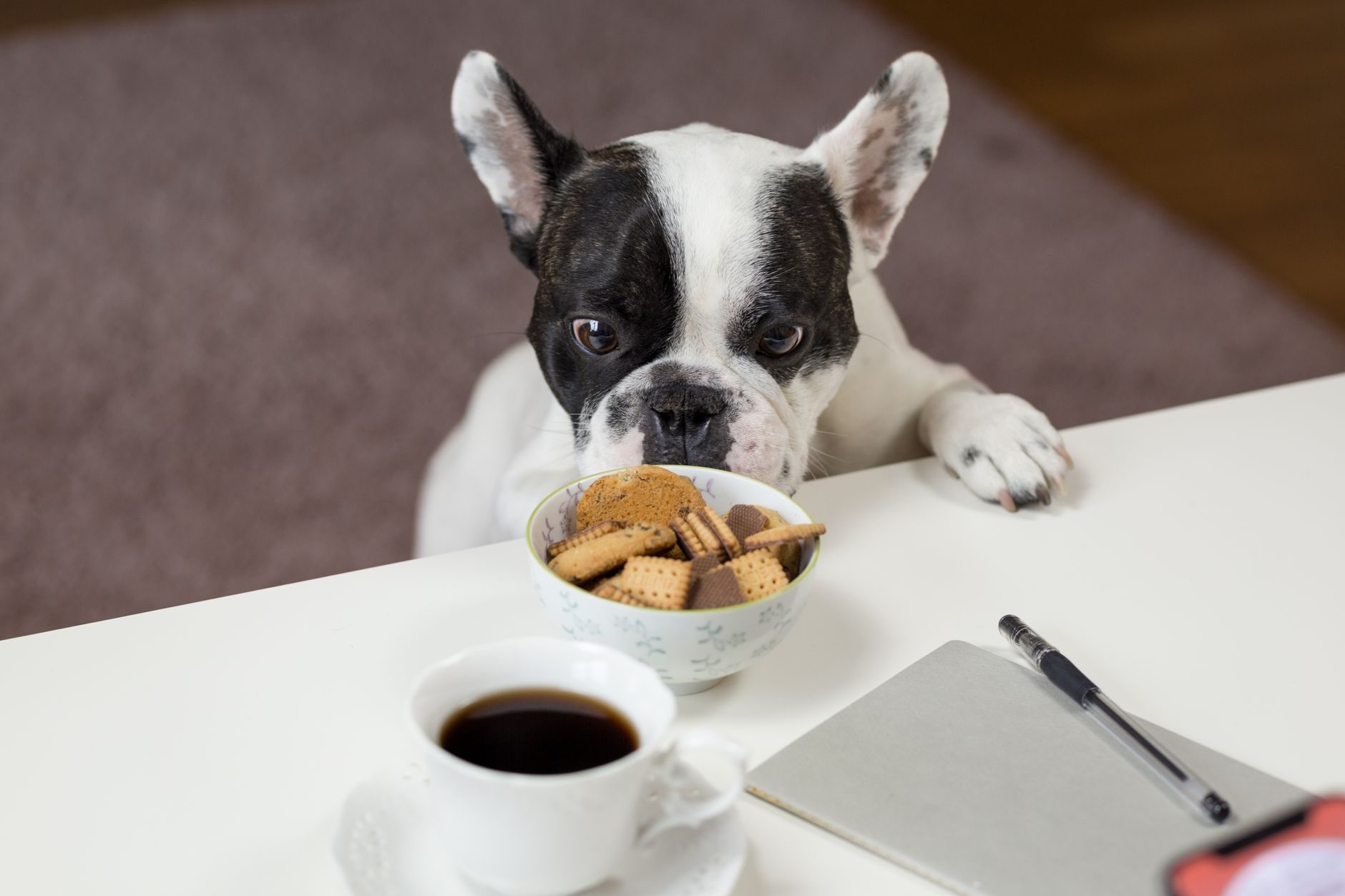
When your dog seems a little off — sluggish in the afternoon, refusing a second walk, or producing unusually dark urine — water is rarely the first thing that comes to mind. Most of us check the food bowl, worry about the weather, or wonder if a nap will fix it. But dehydration in dogs is surprisingly common, often mild enough to go unnoticed, and almost always connected to what and how your dog eats. Understanding that connection can make a measurable difference in your dog’s energy, digestion, coat condition, and long-term organ health.
Why Hydration Is a Nutrition Issue, Not Just a Water Issue
Water is not separate from diet — it is part of it. Every metabolic process in your dog’s body, from breaking down proteins to flushing waste through the kidneys, depends on adequate fluid levels. When dogs do not get enough water, digestion slows, nutrient absorption becomes less efficient, and the body starts pulling moisture from non-essential tissues to protect vital organs.
The type of food your dog eats has a direct impact on how much additional water they need. Dry kibble, which typically contains between 6% and 10% moisture, requires a dog to compensate by drinking significantly more water than a dog fed wet food, which can contain 70–80% moisture. A dog eating only dry food and not drinking adequately is at a real hydration deficit, even if they seem fine on the surface.
The India-specific challenge
In India, the challenge is amplified by climate. Summer temperatures across much of the country push well above 35°C, and humidity in coastal cities like Mumbai or Chennai means dogs lose more fluid through panting. Indian dog parents feeding their pets predominantly dry food during peak summer months need to be especially vigilant about water intake and may want to consider incorporating wet meal toppers or water-rich additions to the bowl.
Reading the Signs: How Your Dog Tells You They Are Dehydrated
Dogs cannot ask for water. Instead, they show you. The problem is that several dehydration signals are easy to dismiss as general tiredness or pickiness. Knowing what to look for changes how quickly you can respond.
Physical signs to check at home
- Skin tent test: Gently pinch the skin at the back of your dog’s neck and release it. In a well-hydrated dog, skin snaps back immediately. If it returns slowly or holds a ridge for even a second, dehydration is likely present.
- Gum check: Press your finger against your dog’s gum and release. The white spot should turn pink within two seconds. A longer refill time, or gums that look pale or sticky rather than moist and salmon-pink, suggests low hydration.
- Urine colour: Pale yellow urine is the goal. Dark yellow or amber urine in a dog that is eating normally almost always means they need more fluids.
- Eye appearance: Sunken-looking eyes or a dull, dry appearance around the eye socket can indicate moderate to serious dehydration.
- Lethargy and panting at rest: A dog that is panting without recent exercise, or who is unusually reluctant to move, may be working harder than normal because their blood is thicker from low fluid volume.
Digestive signals linked to poor hydration
Dehydration directly impacts digestion. The large intestine draws water from food waste before it is expelled, and when a dog is already low on fluids, the colon pulls even harder, resulting in hard, dry stools or infrequent bowel movements. If your dog is straining, passing pellet-like stools, or going less than once a day without a change in diet, water intake should be one of your first investigations.
How Protein and Fibre in Food Affect Water Demand
Not all dog foods place the same hydration demand on your dog’s body. Higher protein diets require more water to process, because the kidneys need extra fluid to flush the nitrogen waste produced when protein is metabolised. This does not mean high-protein food is bad — far from it — but it does mean that dogs on protein-dense diets need reliable, consistent access to clean water throughout the day.
Fibre content also matters. Soluble fibre absorbs water in the gut and helps maintain soft stools and steady digestion. Foods that include appropriate fibre sources support gut motility without over-pulling moisture. If your dog’s kibble is very low in fibre, you may notice harder stools and more frequent signs of digestive sluggishness, particularly in summer.
Choosing a balanced, complete dry food formulated for your dog’s life stage is the starting point. SmartHeart dog food offers life-stage-specific formulas designed to provide balanced protein, fibre, and micronutrient profiles that support everyday health — making it easier to manage your dog’s overall nutritional intake while you focus on keeping water available and fresh.
Practical Feeding Strategies to Improve Daily Hydration
Beyond simply placing more water bowls around the house (though that helps), there are feeding-level changes you can make that meaningfully increase your dog’s daily fluid intake.
Add warm water or low-sodium broth to dry kibble
Mixing 2–4 tablespoons of warm water into your dog’s kibble at each meal softens the food, releases aroma, and immediately boosts meal-time fluid intake. For dogs that are reluctant drinkers — common in smaller breeds and older dogs — this can add 50–100ml of additional fluid per day without any effort on their part. Low-sodium, onion-free chicken or vegetable broth is another option that most dogs find irresistible.
Feeding quantities and timing
Adult dogs of medium build (10–25 kg) typically need approximately 50–60ml of water per kilogram of body weight per day. A 15kg dog needs roughly 750–900ml daily. Split feeding into two meals rather than one large meal — this keeps digestion steadier, reduces the post-meal fluid spike demand, and helps maintain more consistent energy levels throughout the day. Puppies and senior dogs have higher hydration needs relative to their size and should be monitored more carefully.
Choose the right bowl placement
Dogs drink more when water is placed in multiple locations — near their sleeping area, near the food bowl, and in outdoor spaces they regularly access. Stainless steel or ceramic bowls stay cooler than plastic ones in warm weather, which matters in Indian summers. Refresh water at least twice a day and clean bowls daily; dogs are highly sensitive to smell and will avoid a bowl that carries stale or bacterial odour.
When to consider wet food or meal toppers
For dogs who consistently under-drink despite access to fresh water, switching one of the two daily meals to a wet food or adding a small amount of wet food as a topper can significantly increase daily moisture intake. Dogs with kidney concerns, urinary tract history, or who are recovering from illness particularly benefit from this approach. Speak to your vet about the right proportion of wet to dry for your dog’s specific needs.
The Coat and Weight Connection You May Be Missing
Hydration does not operate in isolation from other health signals. A dull, brittle coat that is not explained by parasites or a recent health event is often a sign of either nutritional deficiency or chronic mild dehydration — and sometimes both. Water is essential for skin cell turnover, sebum production, and the transport of fat-soluble vitamins (A, D, E, K) that maintain coat quality. Dogs that are consistently under-hydrated tend to develop flaky, itchy skin and a coat that lacks shine regardless of how good the food looks on paper.
Weight management is also affected. Mild dehydration can suppress appetite in some dogs, while in others it mimics hunger signals, leading to overeating. If your dog’s weight has been fluctuating without an obvious change in food quantity, checking their hydration status and the moisture content of their current diet is a worthwhile step before adjusting portion sizes.
For dog parents looking for a nutritionally complete option that supports overall condition — including coat, weight maintenance, and digestive health — SmartHeart Gold is formulated with enhanced nutrition for dogs who need that extra level of support.
Frequently Asked Questions
How much water should my dog drink per day?
A general guideline is 50–60ml per kilogram of body weight daily. A 20kg dog, for example, should drink approximately 1–1.2 litres of water per day. Dogs on dry food diets, those living in warm climates, and active or lactating dogs will need more. Track intake for a few days if you are concerned — a measuring jug at the water bowl is a simple way to monitor this.
Can the type of food I feed really affect my dog’s coat condition?
Yes, significantly. Fat-soluble vitamins and essential fatty acids (omega-3 and omega-6) are the main dietary drivers of coat quality, but they can only be transported and utilised properly when the body is adequately hydrated. A diet balanced in these nutrients, combined with consistent hydration, produces the most visible improvement in coat shine and skin health.
My dog drinks water but still seems dehydrated — what could be wrong?
If your dog is drinking normal or even increased amounts of water but still showing signs of dehydration (sunken eyes, dark urine, lethargy), this can indicate an underlying medical issue such as diabetes, kidney disease, or Addison’s disease. These conditions cause the body to lose fluid faster than it can be replaced. A veterinary consultation with a urine and blood panel is strongly recommended in this case — do not attempt to manage it through dietary changes alone.
Giving Your Dog the Full Picture of Health
Hydration is one of those quiet, unglamorous pillars of health that rarely gets the attention it deserves until something goes wrong. The good news is that for most healthy dogs, the solution is straightforward: a nutritionally complete food appropriate for their life stage, consistent access to fresh clean water, and a few simple adjustments to how and when you feed them. Watch your dog’s urine, feel their skin, check their gums — these simple checks take thirty seconds and can tell you more than a week of guesswork. Good nutrition and good hydration work together, and when both are right, you will see it in your dog’s coat, their energy, and the easy, comfortable way they move through the day.
Explore our range of balanced dog food options, including SmartHeart dog food, formulated to support everyday health for Indian dogs at every life stage.
Disclaimer: The information in this article is intended for general educational purposes only and does not constitute veterinary medical advice. If your dog is showing persistent signs of dehydration, significant changes in thirst, coat condition, weight, or digestion, please consult a qualified veterinarian for a proper diagnosis and treatment plan.